
Underrated Veg Salads That Are Tastier Than You Think
A Bowl Full of Flavor, A Bowl Full of Science
Salads have long been perceived as a humble assortment of greens, often relegated to the role of a side dish or merely a dietary choice. However, the true potential of salads extends far beyond this narrow view. Today, we witness a remarkable transformation in how salads are conceptualized and enjoyed. Underrated vegetable salads are emerging as vibrant, nutrient-dense meals that can captivate the palate and provide a fulfilling dining experience. This shift challenges the conventional notion that salads are synonymous with blandness or weight-loss regimens.
The evolution of salads into culinary delights reflects a growing trend towards incorporating diverse ingredients, flavors, and textures. Chefs and home cooks alike are creatively utilizing an array of vegetables, grains, proteins, and dressings, resulting in dishes that are as attractive to the eye as they are nutritious. By showcasing colorful vegetables, unique grains, and zesty dressings, these salads cater to a wide audience, appealing to both health-conscious individuals and those seeking satisfying flavors.
Moreover, current gastronomic innovations emphasize the importance of fresh, locally sourced produce, enriching salads with seasonal ingredients. This approach not only enhances the taste but also fosters sustainability and supports local farmers. Today’s salads can range from hearty grain bowls to intricate mixtures infused with herbs and spices, illustrating their versatility as a main course rather than just a precursor or side.
Through this exploration of underrated vegetable salads, we aim to illustrate that salads can indeed pack a punch in both taste and nutrition. In the subsequent sections, we will delve into specific recipes that exemplify this transformation, proving that salads should not only be savored but celebrated as an integral part of any balanced diet.
What Makes a Salad Healthy?
A healthy salad is built on a foundation of balanced, nutrient-dense ingredients. The first key component is fiber-rich vegetables. These vegetables, such as leafy greens, carrots, and peppers, are not only low in calories but also high in fiber, which promotes digestive health and helps maintain a feeling of fullness. Fiber plays a crucial role in regulating blood sugar levels, making it particularly important for those seeking to manage their weight or blood sugar control.
Another essential aspect of a healthy salad is the inclusion of plant-based proteins. Ingredients such as chickpeas, lentils, beans, or edamame provide necessary amino acids that are vital for muscle repair and growth. By incorporating these protein sources, salads can transition from a side dish to a substantial meal, supporting health and vigor throughout the day.
Healthy fats are also vital in creating a well-balanced salad. Avocados, nuts, or seeds not only add satisfying richness but also enhance nutrient absorption. Certain vitamins, including A, D, E, and K, are fat-soluble, meaning their availability is improved when paired with healthy fats. Thus, integrating these elements can optimize the nutritional value of the salad.
Moreover, the inclusion of vitamins and minerals found in various vegetables plays a significant role in supporting overall health. Leafy greens, tomatoes, and cucumbers provide essential nutrients such as vitamin C, potassium, and folate, which collectively contribute to improved immune function, cardiovascular health, and energy levels.
Finally, adding natural antioxidants through ingredients like berries, nuts, or herbs can combat oxidative stress in the body. Antioxidants help protect cells from damage, reducing the risk of chronic diseases. Hydrating ingredients, such as water-rich cucumbers and tomatoes, further enhance the salad's appeal by ensuring adequate hydration. Together, these components create a delicious and nourishing dish that promotes optimal health and wellness.
Nutritional Science of Salads: Why Every Ingredient Matters
Salads are often dismissed as mere side dishes, but their nutritional value is immense, making them a powerhouse of essential components. Each ingredient plays an integral role in promoting overall health and well-being. One of the most critical aspects of salads is the presence of fiber, which aids in maintaining gut health. High-fiber ingredients, such as leafy greens, cucumbers, and legumes, facilitate digestion and help keep blood sugar levels stable.
In addition to fiber, colorful vegetables in salads provide a wealth of antioxidants. These compounds help combat oxidative stress by neutralizing free radicals in the body. For instance, tomatoes, bell peppers, and carrots are rich in vitamins A and C, both of which contribute to a strong immune system and overall vitality. Incorporating a variety of colors in your salad not only enhances visual appeal but also ensures a rich intake of different nutrients.
Furthermore, plant-based proteins, like chickpeas and quinoa, have a significant satiety effect. They are instrumental in helping individuals feel full and satisfied, thereby reducing the likelihood of overeating or choosing less healthy snacks. This is essential for anyone looking to manage their weight effectively while still enjoying their meals.
Moreover, hydration plays a vital role in the nutritional composition of salads. Many salad ingredients, such as cucumbers and tomatoes, have high water content, promoting hydration and aiding in electrolyte balance. This is particularly important in maintaining energy levels and optimal physical performance, especially in warmer climates or during intense physical activity.
Lastly, an assortment of vitamins and minerals found in salad ingredients is crucial for various bodily functions. Common ingredients like spinach and nuts provide important elements such as iron, magnesium, and calcium, which contribute to everything from strong bones to effective muscle function. Understanding the nutritional science of salads underscores their importance in a balanced diet.
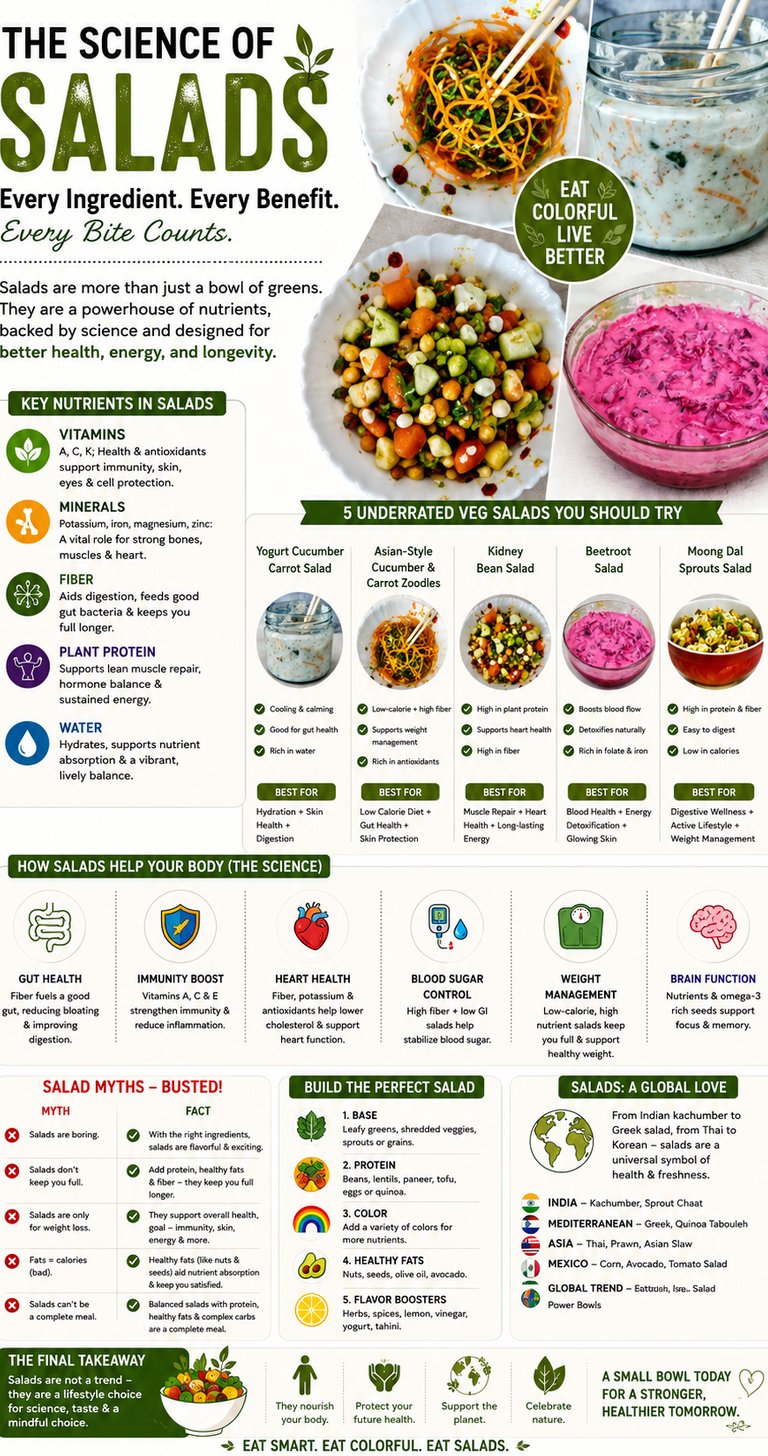
Classic Yogurt Cucumber Carrot Salad
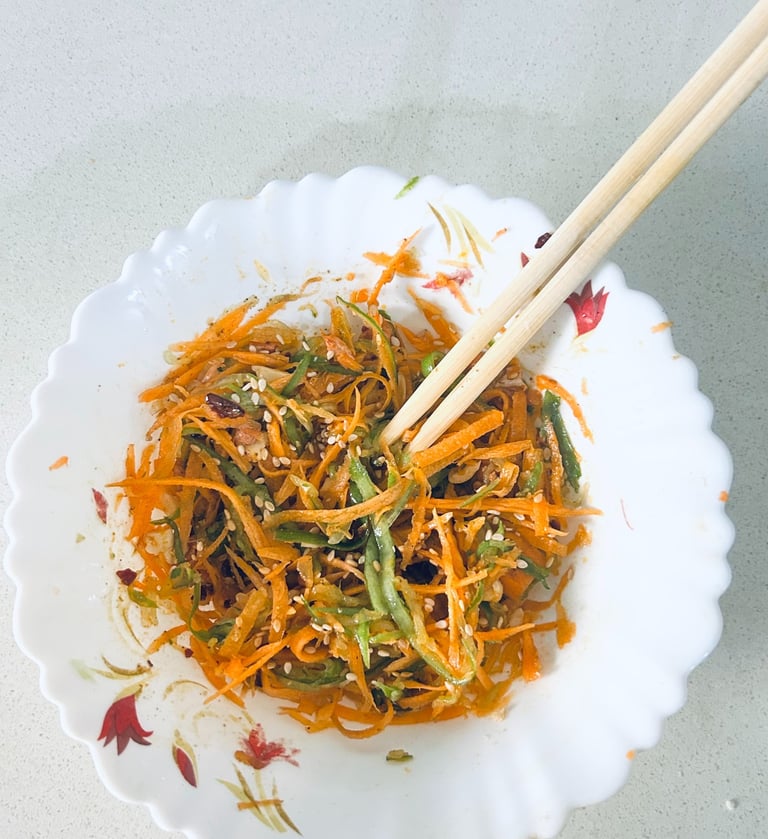
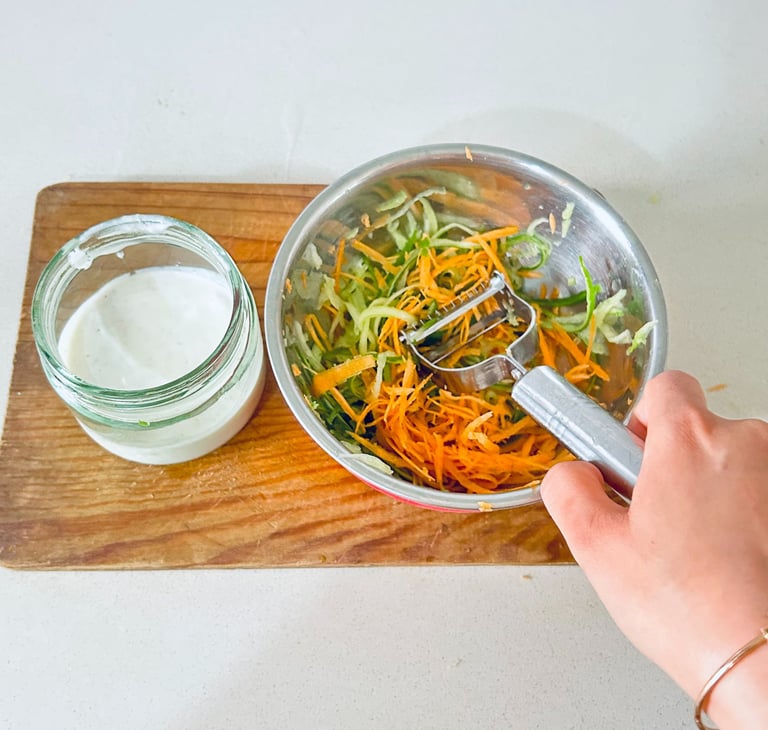
The classic yogurt cucumber carrot salad is a refreshing dish that offers a delightful blend of crunchy textures and creamy flavors. Made from fresh cucumbers, shredded carrots, and a tangy yogurt dressing, this salad is not only easy to prepare but also rich in nutritional benefits. Cucumbers are known for their high water content and low calorie profile, making them an excellent addition for hydration and weight management. The carrots add a vibrant orange color along with a hefty dose of beta-carotene, which is important for eye health.
This salad's dressing typically consists of yogurt, which is a source of probiotics, promoting gut health while providing a creamy texture that complements the freshness of the cucumbers and carrots. The inclusion of herbs such as dill or mint enhances the flavor profile, making it a perfect summer dish.
Asian-Style Cucumber and Carrot Zoodles
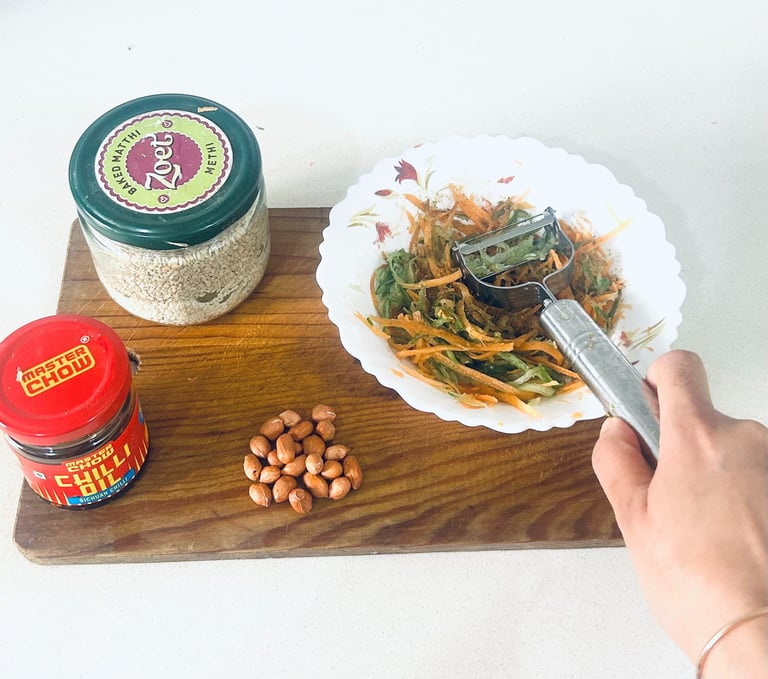
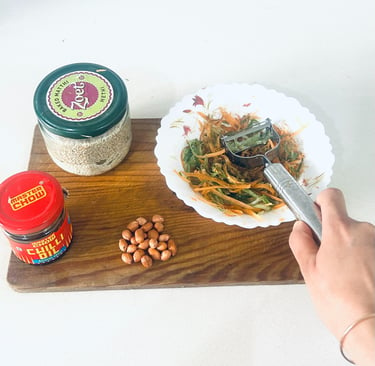
For those looking for a creative and gluten-free alternative to traditional pasta salads, the Asian-style cucumber and carrot zoodles are an ideal choice. Zoodles, made from spiralized zucchini, serve as a nutritious base that provides a low-carb option, while cucumbers and carrots add color and crunch. Tossed in a light soy sauce and sesame dressing, this dish is both satisfying and flavorful.
This salad not only offers a unique twist on typical salads, but it also provides an abundance of vitamins and minerals. Zucchini is low in calories and high in antioxidants. The sesame oil in the dressing includes healthy fats that support cardiovascular health. Additionally, this salad is incredibly versatile, allowing for the inclusion of various vegetables such as bell peppers or snap peas.
Kidney Bean Salad
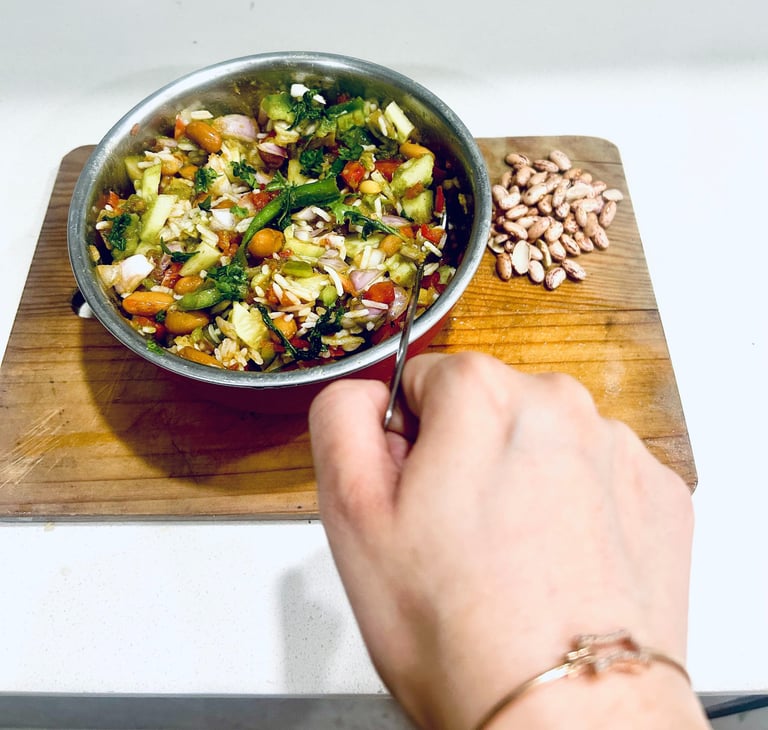
The kidney bean salad is a protein-packed option that is both filling and nutritious. Kidney beans, as a primary ingredient, are rich in fiber, which aids digestion and promotes a feeling of fullness. This salad is often prepared with red onions, tomatoes, bell peppers, and an assortment of spices, offering a colorful and satisfying dish. The incorporation of olive oil provides essential fatty acids, contributing to heart health.
Moreover, the antioxidant properties found in kidney beans can help reduce inflammation and lower the risk of chronic diseases. This salad can be served chilled or at room temperature, making it a flexible option for any meal or occasion.
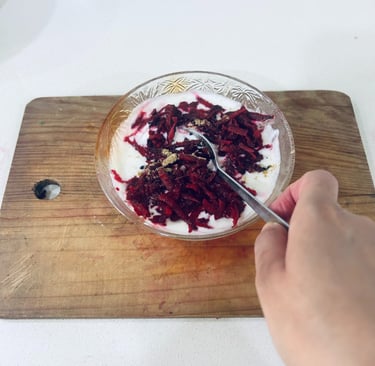
Beetroot Salad
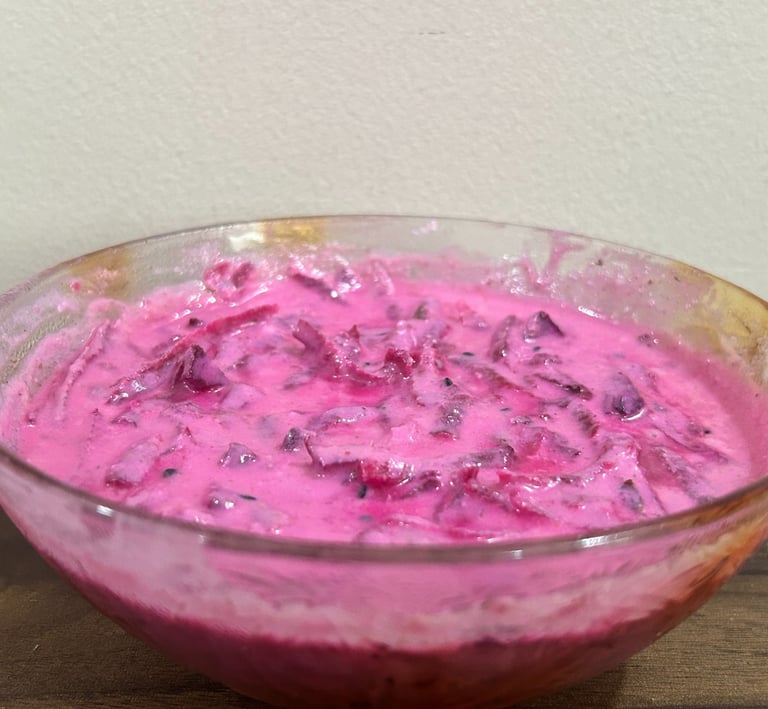
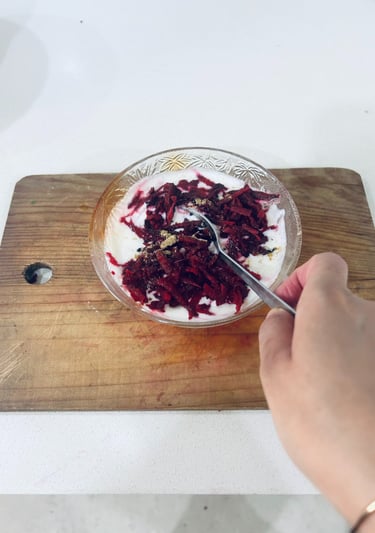
Rich in flavor and nutrients, beetroot salad is often overlooked but incredibly delicious. Beets are known for their vibrant color and natural sweetness and offer a plethora of health benefits, including improved blood flow and potential anti-inflammatory properties. When combined with ingredients like feta cheese, walnuts, and a balsamic vinaigrette, the earthy flavor of beets is beautifully complemented.
The nutritional profile of beets includes folate, potassium, and vitamins that contribute to overall health. This salad serves as an excellent source of antioxidants, which play a key role in protecting our bodies from oxidative stress.
Moong Dal Sprouts Salad
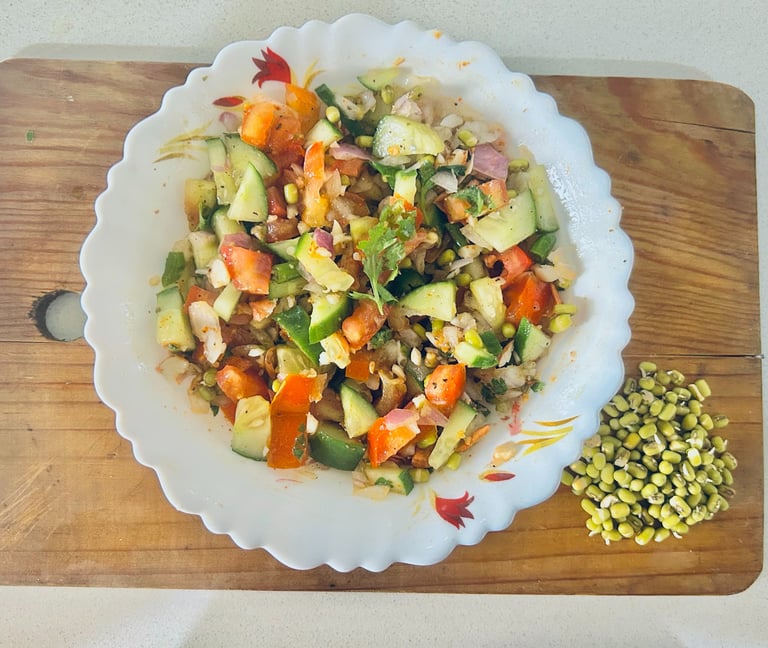
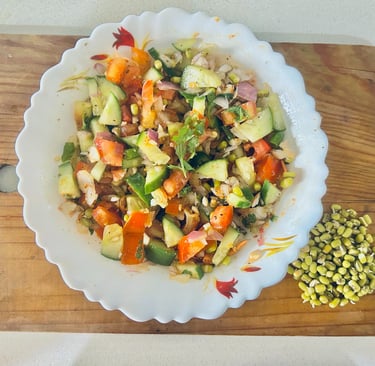
The moong dal sprouts salad is a protein-rich vegetarian option that showcases the nutritional power of sprouted legumes. Moong dal, when sprouted, enhances the availability of vitamins and minerals, making it a superfood choice. This salad typically features tomatoes, cucumber, and a variety of spices, creating a vibrant and zesty dish.
Sprouted moong dal is known for its high protein content, promoting muscle health and contributing to a balanced diet. The fiber in this salad supports digestive health, while the array of colorful vegetables amplifies key vitamins. This salad is best served fresh, accentuating the crunch and flavors of each ingredient.
Common Salad Myths Debunked
The perception of salads being unexciting or insufficiently satisfying is a prevalent myth that warrants scrutiny. Many individuals erroneously regard salads as dull, lacking flavor and variety. In reality, salads can be vibrant and flavorful by incorporating diverse ingredients such as assorted vegetables, fruits, nuts, and dressings. Each element contributes unique textures and tastes, transforming the salad experience into a culinary delight.
Another common misconception is that salads do not provide adequate satiety. It is essential to recognize that a well-composed salad can indeed be fulfilling. By integrating protein sources such as beans, cheese, or grilled chicken, along with healthy fats found in avocados or olive oil, salads become not only filling but also nutritionally balanced. This challenges the notion that salads are merely a side dish rather than a hearty meal.
Furthermore, the belief that salads are solely intended for weight loss must be reexamined. While they can facilitate weight management, salads are versatile enough to accommodate a range of dietary preferences. They can serve as a vital component of any meal plan, regardless of one’s weight goals, provided they are crafted thoughtfully with a variety of nutritious ingredients.
The assumption that raw foods are invariably superior is another misconception. While raw vegetables can indeed retain more nutrients, cooking certain vegetables can enhance their digestibility and the absorption of certain vitamins. Thus, both raw and cooked components can coexist harmoniously in salads, benefiting one's overall nutrition.
Lastly, salads are frequently dismissed as incomplete meals. This notion is misleading, as a salad can be a complete meal by incorporating an array of nutrients: proteins, fats, carbs, and fiber. By creatively infusing various ingredients, salads can satisfy dietary needs and preferences, proving their capability as a complete meal option.
Famous Salads in India and Around the World
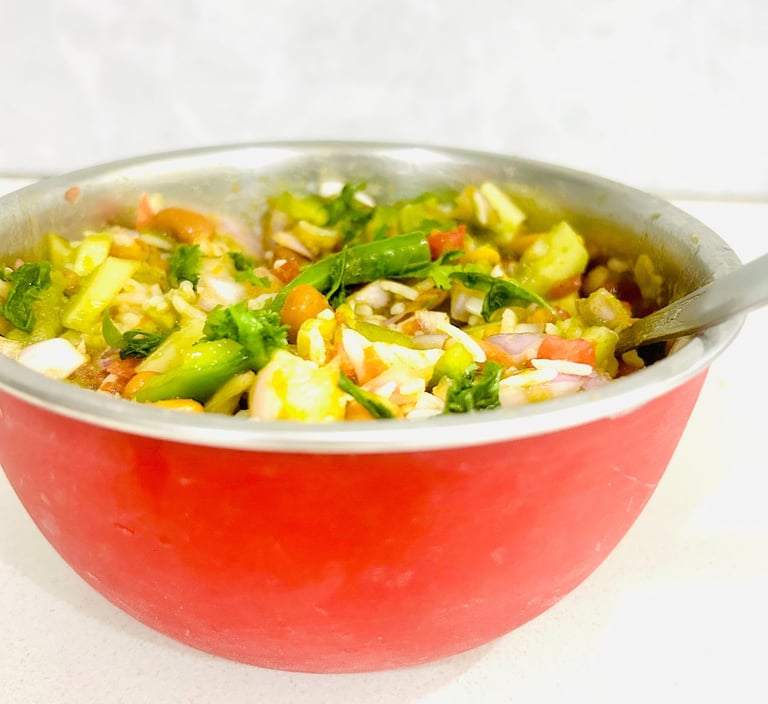
Salads are a staple in various culinary traditions, showcasing the diverse ingredients and flavors inherent to a region's culture. In India, salads are often viewed as accompaniments rather than as stand-alone dishes. Traditional Indian salads such as kachumber, made with finely chopped cucumbers, tomatoes, and onions, are seasoned with lemon juice and spices to enhance their flavors. Another popular option is the palak chaat, which combines crispy spinach with yogurt and chutneys, exemplifying the country’s penchant for vibrant, flavor-packed dishes.
In contrast, international salads often take a more central role on the plate. For example, the classic Caesar salad from the United States features romaine lettuce, croutons, and a creamy dressing, emphasizing a balance between crispness and richness. Similarly, the Greek salad, which includes tomatoes, cucumbers, feta cheese, and olives, highlights fresh ingredients and is typically served as a light main course, especially in Mediterranean regions.
As culinary preferences evolve, younger generations such as millennials and Gen Z are embracing salads more than ever. They prioritize health and convenience, leading to the popularity of salad bowls filled with various toppings, grains, and protein options across urban restaurants. This shift reflects not just a change in diet, but a broader cultural movement toward mindfulness in food choices.
Furthermore, globalization has facilitated the exchange of culinary practices, making it common for diverse salads to appear on menus worldwide. Salads from different cultures are now easily accessible, encouraging adventurous dining experiences. Such trends signify how salads have transcended their traditional roles, merging gastronomic boundaries and embodying a modern, health-conscious lifestyle.
The Future of Salads
As we continue to evolve our culinary experiences, embracing underrated vegetable salads can play a pivotal role in transforming our dietary habits. These salads, often overshadowed by more mainstream options, offer an array of flavors, textures, and nutritional benefits that are too valuable to overlook. By incorporating lesser-known vegetables into our meals, we not only enhance our palate but also improve our overall health and well-being.
Nutritionally, underrated vegetable salads are rich in vitamins, minerals, and dietary fiber, making them an essential component of a balanced diet. They can help reduce the risk of chronic diseases and contribute to better digestion, which is increasingly important in today's health-conscious society. Furthermore, by rotating various vegetables into our salads, we expose ourselves to a broader range of nutrients, fostering a more diverse and complete diet.
Some myths surrounding vegetable salads, such as the perception that they are dull or lacking in satisfaction, can be easily debunked. With the right combination of ingredients, such as dressings, grains, fruits, and proteins, these salad options can be as filling and flavorful as any main dish. This versatility opens doors to endless recipe possibilities that can cater to various tastes and dietary preferences.
Ultimately, the future of salads lies in our willingness to explore and innovate. By experimenting with underrated vegetable salads, we can expand our culinary horizons and discover the true potential of salads beyond traditional views. Let us encourage ourselves and others to venture out of the comfort zone of conventional salads, embracing the diversity and vibrancy that underrated vegetables can bring to our plates. Together, we can cultivate a new appreciation for these nutritious dishes, making them a staple in contemporary dining.



Contacts
Socials
Subscribe to our newsletter
support@otgscience.in
Copyright © 2025 otgscience.in
.