
Oats: Nutrition, Science, Benefits, and Delicious Ways to Eat Them
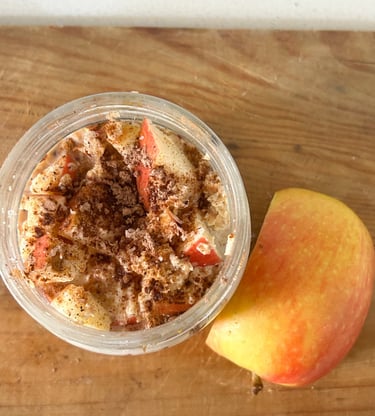
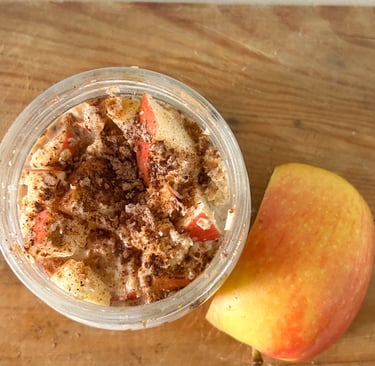
"The Oat-standing Grain: Proof That Healthy Food Doesn't Have to Be Boring."
Oats, scientifically known as Avena sativa, boast a rich history that traces back thousands of years. They are believed to have originated in the Fertile Crescent, an area in the Middle East, where they were initially considered a weed among cultivated grains. By around 1000 B.C., oats were being deliberately cultivated, gradually becoming an essential food source in various regions, particularly in Europe. With their adaptability to diverse climates, oats have secured their place as a staple breakfast item across numerous cultures.
Over time, the processing of oats has led to several distinct types, each with unique characteristics, cooking methods, and nutritional profiles. The first type, steel-cut oats, are whole oat groats that have been chopped into pieces. They have a chewier texture and take longer to cook, typically requiring about 20 to 30 minutes. Steel-cut oats are known for their robust flavor and high fiber content, making them a favorite among those seeking a hearty breakfast option.
Rolled oats, or old-fashioned oats, are steamed and flattened using large rollers, which helps reduce their cooking time to about 5 to 10 minutes. This processing method results in a softer texture, making rolled oats ideal for classic oatmeal or baking. Quick oats, similar to rolled oats but cut into smaller pieces, cook even faster, usually within 1 to 3 minutes, making them a convenient option for busy mornings. Lastly, instant oats are pre-cooked and dehydrated, requiring only hot water for preparation, thus offering an extremely quick breakfast solution.
Understanding the diverse types of oats is essential for making informed dietary choices, as each type carries different textures, cooking times, and nutritional benefits that cater to various preferences and lifestyles.
Nutritional Composition and Health Benefits of Oats
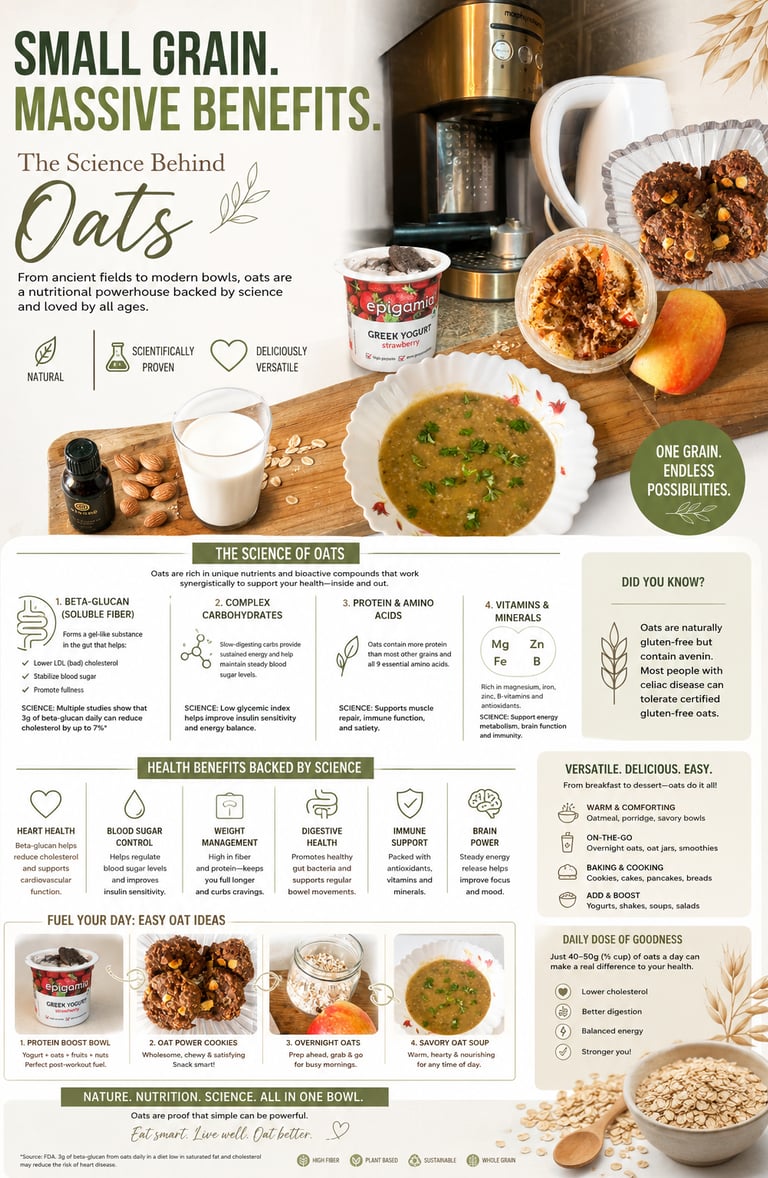
Oats are increasingly recognized as a nutritional powerhouse, boasting a rich composition that contributes to their status as a superfood. They are primarily made up of complex carbohydrates, which serve as a steady source of energy. Unlike simple carbohydrates, the gradual breakdown of these complex sugars helps maintain stable blood sugar levels, making oats an excellent choice for individuals looking to manage their energy and insulin response.
One of the standout features of oats is their high fiber content, particularly beta-glucan. This soluble fiber type is beneficial for heart health, as it is known to lower LDL cholesterol levels, thereby reducing the risk of cardiovascular disease. In addition, beta-glucan promotes the feeling of satiety, aiding in weight management by curbing overeating. Furthermore, its capacity to form a gel-like substance in the digestive tract slows down the absorption of sugars, contributing to better blood sugar management.
Beyond carbohydrates and fiber, oats are a good source of proteins, supplying essential amino acids necessary for muscle repair and growth. They also rich supply vitamins and minerals, including B-vitamins, iron, magnesium, and zinc, which play crucial roles in various metabolic processes. These nutrients facilitate energy production, support immune function, and contribute to overall cellular health.
The biochemical interactions of oats within the body enhance overall wellness. The compounds in oats may even provide anti-inflammatory effects, further supporting heart health and reducing the risk of chronic diseases. Regular consumption of oats has been linked to enhanced digestive health due to their fiber content, promoting regular bowel movements and potentially lowering the risk of developing gastrointestinal disorders.
Oats in Global and Local Culinary Trends
In recent years, oats have gained significant traction worldwide as a versatile superfood, particularly aligning with the global shift towards healthier dietary choices. This trend is evident in many regions, with India standing out as a prime example where oats are increasingly integrated into various local dishes. The rise of oats can primarily be attributed to their convenience and nutritional benefits, making them an ideal option for those with busy lifestyles, such as students and working professionals.
Oats serve as not just a breakfast staple but have also emerged as a useful ingredient in multifarious culinary applications. In India, traditional recipes are being reinvented with the inclusion of oats; for instance, dishes like idli, dosa, and upma are being made with oat flour or mixed oats to enhance their health quotient. These adaptations demonstrate a noteworthy shift in how local food traditions are being embraced and altered to cater to modern dietary preferences.
The incorporation of oats into Indian cooking has been met with enthusiasm across various demographics. Students appreciate oats for their quick preparation, while working professionals value the health benefits that oats provide. With high fiber content and essential nutrients, oats can effectively contribute to a balanced diet, appealing to those looking for ways to maintain their health amidst their busy schedules. The versatility of oats extends beyond breakfast, as they can be used in smoothies, snacks, and even desserts, thereby redefining the culinary landscape.
As the demand for healthy eating continues to rise, oats stand out as a prime ingredient that not only supports wellness but also fits seamlessly into traditional and contemporary culinary practices. Their adaptability makes oats a significant force in the evolution of both global and local food trends, ensuring their prominent place at breakfast tables and beyond.
Delicious Oat-Based Recipes for Healthy Eating
Incorporating oats into your meals can be both nutritious and delicious. Here are some oat-based recipes that not only promote healthy eating but also add variety to your breakfast and snack options.
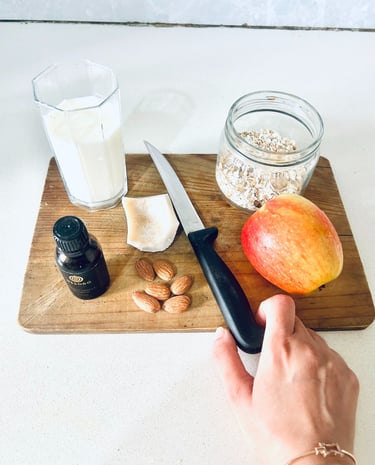
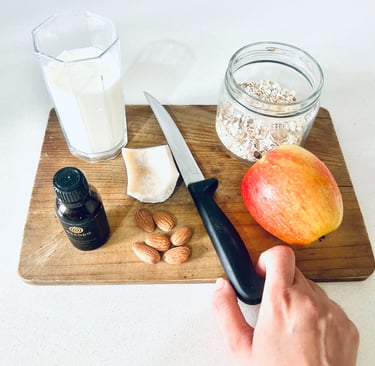
Apple Cinnamon Oatmeal: Start your day with a warm bowl of apple cinnamon oatmeal. Combine 1 cup of rolled oats with 2 cups of water or milk, then add diced apples and a sprinkle of cinnamon. Cook until creamy, usually about 5-7 minutes. Packed with fiber and antioxidants, this hearty dish provides energy and helps regulate blood sugar levels.
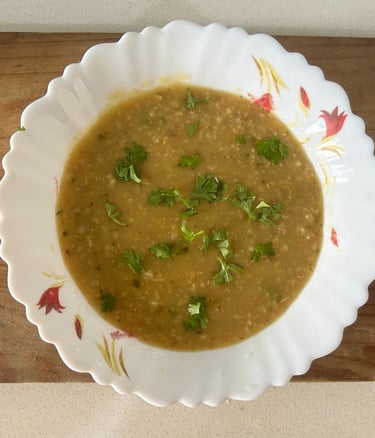
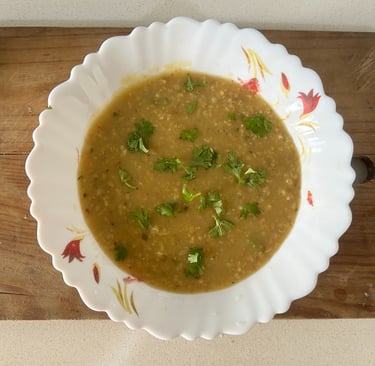
Savory Veggie Oats: For a savory twist, prepare savory veggie oats. Cook 1 cup of oats in vegetable broth, adding sautéed vegetables like spinach, tomatoes, and bell peppers. Season with salt, pepper, and a dash of olive oil for a satisfying and nutrient-rich meal, contributing essential vitamins and minerals to your diet.
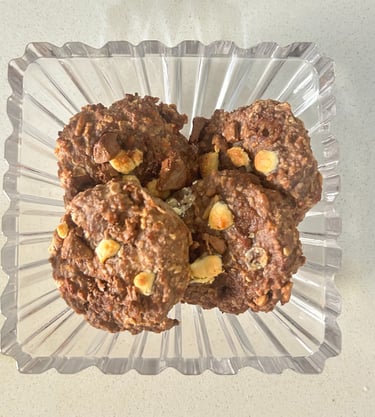
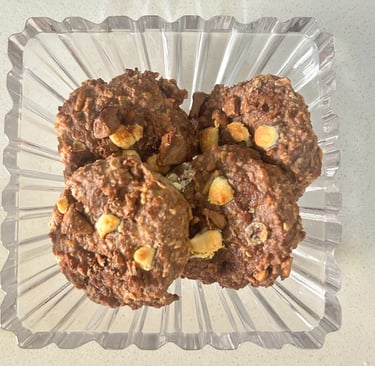
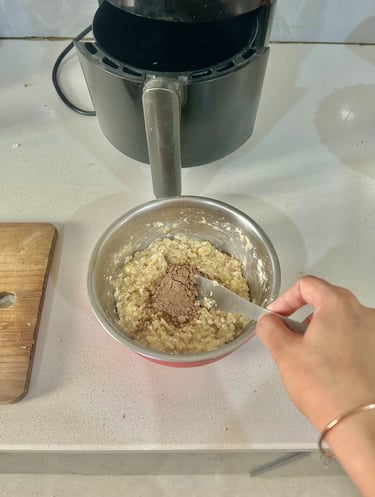
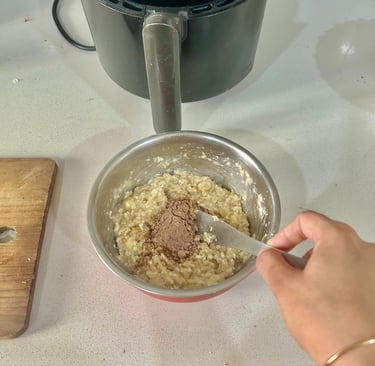
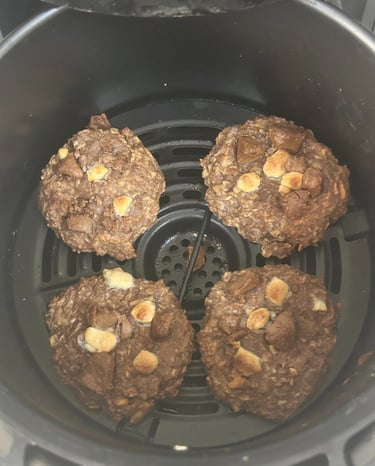
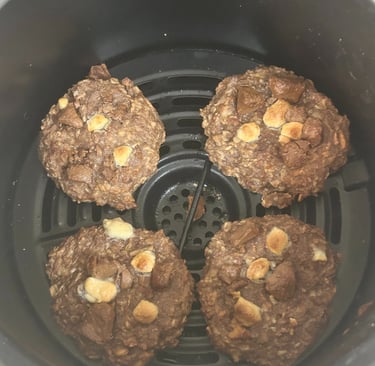
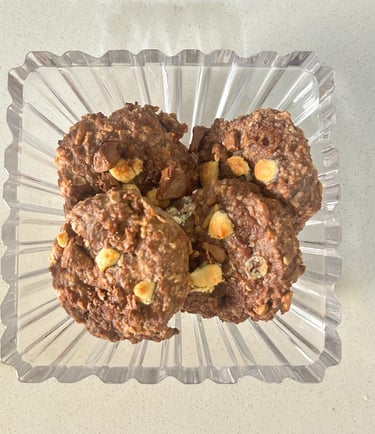
Healthy Banana Oat Cookies: Enjoy a guilt-free treat with healthy banana oat cookies. Mash 2 ripe bananas and mix with 1 cup of oats, adding optional ingredients like dark chocolate chips or nuts. Bake at 350°F (175°C) for 15 minutes. These cookies provide a natural sweetness and are perfect for a quick snack, giving you protein and antioxidants.
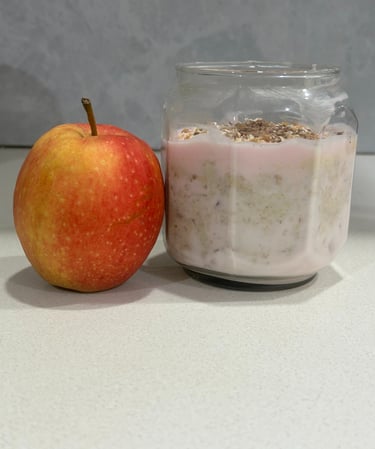
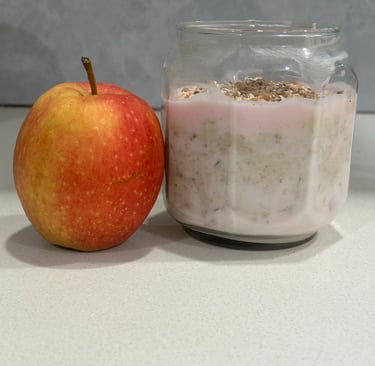
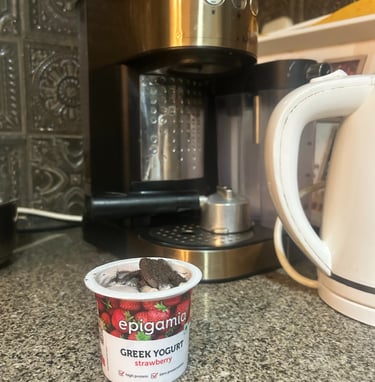
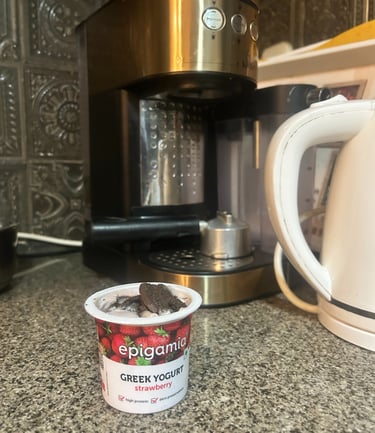
Fruit Oats Parfait: Layering oats with yogurt and fresh fruits creates a delicious fruit oats parfait. Use 1 cup of rolled oats, yogurt, and your choice of strawberries, blueberries, or peaches. This vibrant snack is rich in probiotics, fiber, and vitamins, making it an excellent addition to your daily fruit intake.
Japanese Oats Yogurt Cake: Experiment with the viral Japanese oats yogurt cake, which combines 1 cup of oats, 1 cup of yogurt, and eggs. Mix and bake at 350°F (175°C) for 30-35 minutes until golden. This moist cake is lower in sugar but high in protein, perfect for breakfast or as a dessert.
With these recipes, oats can become a staple in your kitchen, offering enjoyable flavors while supporting a healthy lifestyle. Explore and adapt these ideas to suit your palate and dietary needs, and experience the versatility of oats in your meals.
Contacts
Socials
Subscribe to our newsletter
support@otgscience.in
Copyright © 2025 otgscience.in
.