
Mango: Nutrition, Health Benefits, Science, and Delicious Recipes You Need to Try
Mango-nificent: Too Iconic to Explain
Mangoes are not only a delight to the taste buds but also pack a remarkable nutritional punch. This luscious fruit is rich in essential vitamins, minerals, and plant compounds that contribute to its health-promoting properties. A single serving of mango contains significant amounts of vitamin C, which is crucial for supporting the immune system and promoting skin health. With over 60% of the recommended daily intake of this vital vitamin in just one mango, it is easy to see why this fruit is celebrated for its health benefits.
In addition to vitamin C, mangoes are an excellent source of vitamin A, primarily from beta-carotene, which is not only important for vision but also plays a critical role in maintaining healthy skin and mucous membranes. This fruit also includes vitamin E, which acts as an antioxidant, helping to neutralize free radicals in the body and potentially reducing the risk of chronic disease.
Mangoes are also noteworthy for their dietary fiber content. A medium mango provides about 5 grams of fiber, which is beneficial for digestive health. Fiber aids in regular bowel movements and helps maintain a healthy gut microbiome, contributing further to overall digestive wellness. Moreover, the prebiotic nature of some types of fiber found in mangoes can enhance gut flora, promoting better absorption of nutrients.
The presence of polyphenols and other antioxidants in mangoes enhances their health profile significantly. These compounds are linked to anti-inflammatory effects and may reduce the risk of various diseases, including certain cancers and heart disease. Consuming mangoes regularly can contribute not only to a delicious diet but also to a robust nutritional intake that supports optimal health and well-being.
The Science Behind Mango's Irresistibility
Mangoes are celebrated worldwide, not only for their delightful taste but also for their vibrant appearance and enticing aroma. The unique attributes of this beloved fruit can be traced back to its intriguing scientific composition. One of the most significant contributors to mangoes' visual appeal is the presence of natural pigments, particularly carotenoids. These pigments, such as beta-carotene and lutein, lend mangoes their rich yellow and orange hues. This bright coloration not only captures attention but also indicates the fruit's ripeness and readiness for consumption.
In addition to their captivating color, mangoes possess a distinct sweetness that comes from their naturally occurring sugars. Fructose, glucose, and sucrose are the primary sugars found in mangoes, and they play a crucial role in defining the fruit's flavor profile. The balance of these sugars with the organic acids present in mangoes contributes to the overall sensory experience, offering a sweet yet slightly tangy taste that many find irresistible.
Apart from pigmentation and sweetness, the aroma of mangoes is defined by a diverse array of volatile aromatic compounds. Among these, esters, terpenes, and aldehydes interact to create the fruit's characteristic fragrance. This intricate blend of aromatic compounds not only entices consumers but also plays a role in the fruit's ecological success, as scent can attract pollinators and disseminators. The synergy between color, flavor, and fragrance results in a sensory profile that captivates the palate and enhances the enjoyment of eating mangoes.
Mango-Infused Recipes: Creating Delicious and Nutritious Dishes
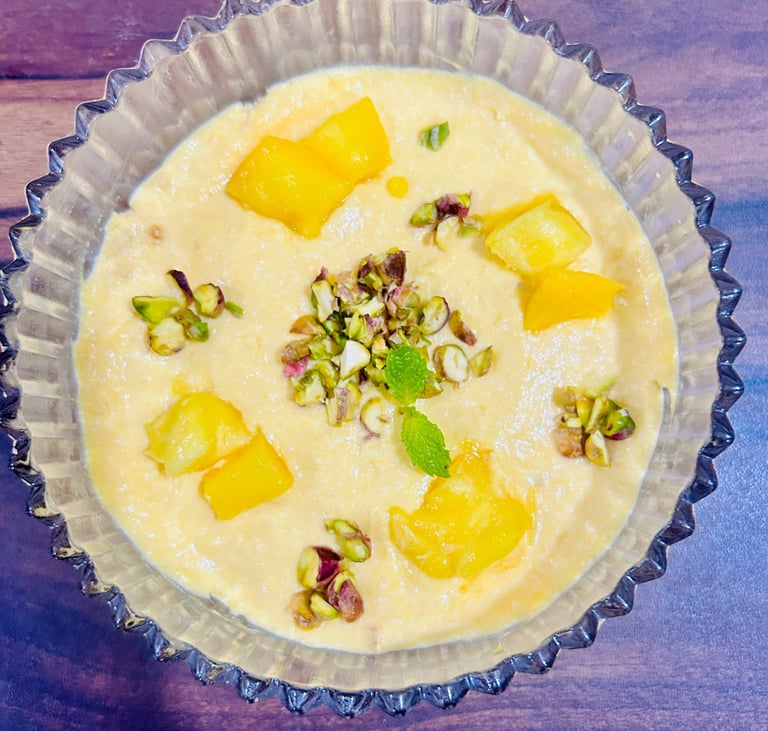
Mangoes, often referred to as the "king of fruits," not only offer delightful flavor but also provide numerous health benefits. Incorporating mangoes into various recipes can transform traditional dishes into nutritious and enjoyable meals. Below are a few contemporary mango-infused recipes that highlight the fruit's versatility.
One popular dish is the mango lassi, a Indian yogurt-based drink. To put a modern twist on this classic, adding protein powder or Greek yogurt can enhance its nutritional profile. Simply blend one ripe mango with one cup of Greek yogurt, half a cup of milk (or a plant-based alternative), and a tablespoon of honey for sweetness. This creamy beverage not only refreshes but also provides an excellent source of protein, making it perfect for a post-workout recovery snack.
For dessert lovers, mango cheesecake offers an innovative way to indulge. A lighter version can be created using low-fat cream cheese and a mango puree made from ripe fruit. Begin by preparing the crust with whole-grain digestive biscuits and a dash of melted coconut oil for added flavor. Blend the cream cheese with the mango puree, a splash of vanilla extract, and a touch of lemon juice, then pour it over the crust. Refrigerate until set for a delicious and guilt-free treat that combines the creamy richness with the tropical sweetness of mango.
Additionally, consider adding diced mango to salads, complementing leafy greens with a burst of flavor. Pairing mango with avocados creates a satisfying, nutrient-rich dish that is perfect for health-conscious consumers. The possibilities with mango are endless, ranging from salsas and chutneys to smoothies and breakfast bowls, all rich in essential vitamins and antioxidants.
Mango: A Symbol of Tradition and Family in Culinary Culture
The mango is often revered as the king of fruits, particularly within the rich cultural tapestry of India. Serving as a symbol of tradition and family, this vibrant fruit transcends mere taste, seamlessly weaving itself into the culinary fabric of various cultures. In India, mangoes are not just enjoyed for their luscious flavor; they embody a deeper significance, fostering connections among family members and communities.
During festive seasons and family gatherings, mangoes play a pivotal role. Whether served as a refreshing dessert, featured in traditional sweets, or incorporated into savory dishes, they hold a special place at the dining table. The process of sharing ripe mangoes, often paired with traditional rituals, serves as a bridge between generations, as stories and memories are exchanged with each bite. In many families, recipes are passed down from mothers to daughters, creating a legacy that highlights the enduring relationship between food and cultural identity.
The mango’s cultural significance is also reflected in various festivals in India, such as the vibrant celebrations of the Mango Festival in different regions. These events celebrate the onset of mango season, showcasing diverse culinary creations that honor its sweetness and versatility. Through such celebrations, the mango becomes a catalyst for community bonding, enhancing the social fabric by drawing people together in shared appreciation.
Furthermore, the mango’s symbolism extends beyond India’s borders. Around the globe, it represents hospitality and generosity, with its presence often indicating a warm welcome. As modern consumers increasingly embrace the mango, new culinary trends emerge, emphasizing its adaptability in contemporary dishes while preserving its traditional roots. This enduring allure of the mango showcases not only its flavor but also its invaluable role as a cherished symbol of tradition and familial love.







Contacts
Socials
Subscribe to our newsletter
support@otgscience.in
Copyright © 2025 otgscience.in
.