
Gluten-Free Foods: Healthy Trend or Smart Science?
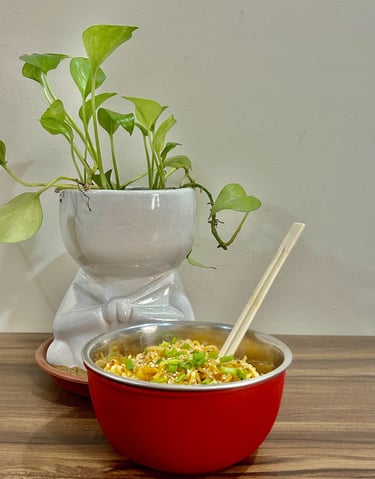

“Gluten-free foods are rewriting modern wellness.”
What is Gluten? Understanding the Basics
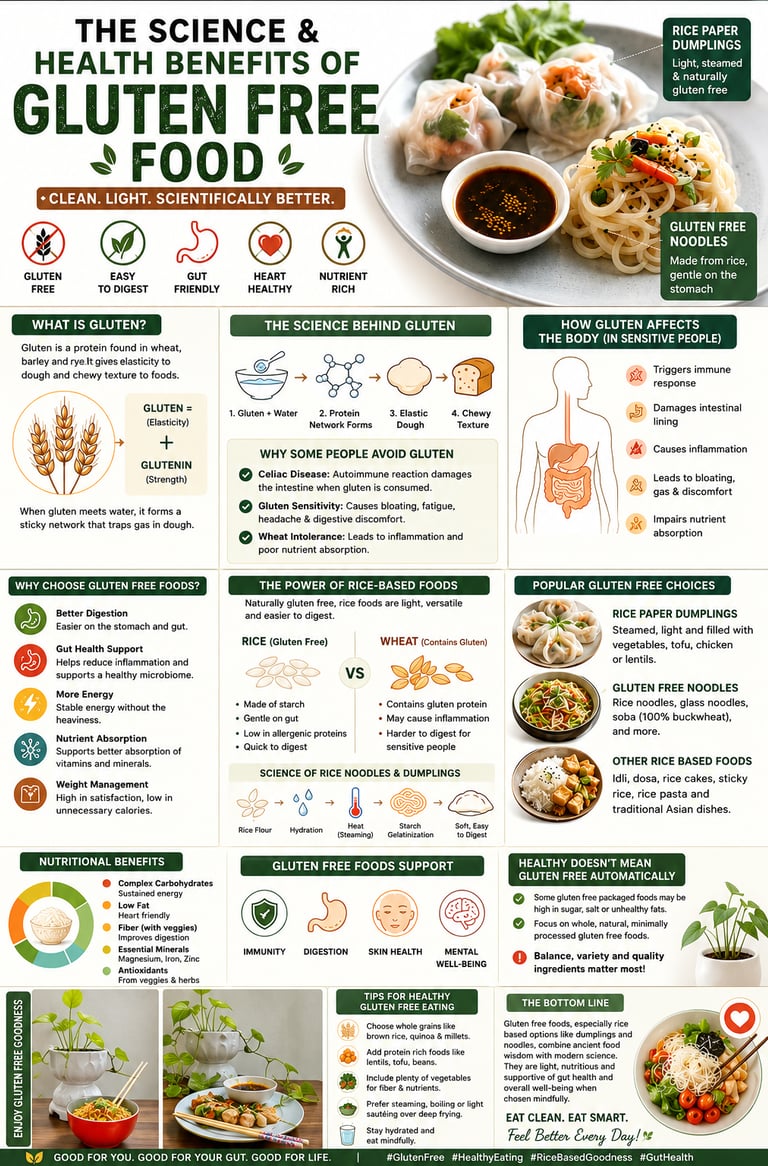
Gluten is a complex mixture of proteins primarily found in wheat and related grains such as barley and rye. It forms when water is added to flour, initiating the hydration of the gliadin and glutenin proteins present in the grains. As these proteins interact and are kneaded, they create a cohesive gluten network. This process is essential for the production of various baked goods, as gluten imparts elasticity and contributes to the chewy texture that characterizes items such as bread and pasta.
The origins of gluten can be traced back to ancient agricultural practices, where early civilizations began cultivating grains. Its role as a critical component of bread-making and food production has been valued for centuries. Gluten serves not only as a binding agent but also aids in the trapping of gas bubbles during fermentation, leading to the rise and lightness of the finished product. This is why products containing gluten, such as wheat, are favored in baking.
Biochemically, gluten consists of two main proteins: gliadin, which is responsible for the dough's ability to rise, and glutenin, which provides strength and structure. The unique properties of gluten allow for the manipulation of dough, making it pliable and suitable for various culinary applications. Its presence in grains has also led to its widespread use in processed foods, often as a stabilizing or thickening agent.
Overall, understanding gluten’s structure and functional properties is crucial for recognizing its significance in food production. As the popularity of gluten-free diets rises, it is essential to acknowledge gluten's key role in contributing taste and texture to many staple foods.
The Health Implications of Gluten Consumption
Gluten, a protein found in wheat, barley, and rye, can have varying health implications for individuals. For some, gluten consumption is harmless, while for others, it can lead to severe health consequences. Celiac disease is an autoimmune disorder that affects approximately 1% of the population. In individuals with celiac disease, gluten intake triggers an immune response that damages the lining of the small intestine. This damage can lead to malabsorption of essential nutrients, resulting in a range of health issues, including anemia, osteoporosis, and neurological problems.
The symptoms of celiac disease are diverse and can manifest as gastrointestinal disturbances, such as bloating, diarrhea, and cramping, as well as non-gastrointestinal symptoms like fatigue, skin rashes, and joint pain. The diagnostic process typically involves serological tests to check for specific antibodies and a biopsy of the small intestine to assess the extent of damage. Given the serious health implications, timely diagnosis and avoidance of gluten are crucial for individuals with celiac disease to maintain gut health and overall wellness.
Non-celiac gluten sensitivity (NCGS) presents another layer of complexity regarding gluten consumption. Individuals with NCGS experience similar symptoms as those with celiac disease, such as abdominal discomfort and fatigue, but without the autoimmune response or intestinal damage. The mechanisms behind NCGS remain poorly understood, and as of now, there is no specific test for its diagnosis. As a result, individuals suspecting NCGS often undergo a process of exclusion to rule out celiac disease and wheat allergies. Consequently, gluten can play a substantial role in gut health and overall well-being; individuals who experience adverse reactions may benefit from gluten-free dietary adjustments, helping to alleviate their symptoms and promote a healthier lifestyle.
Nutritional Benefits of Gluten-Free Foods
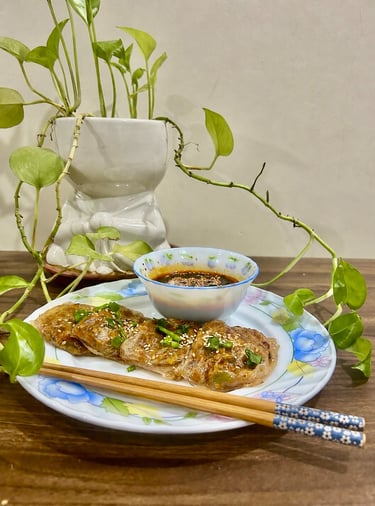
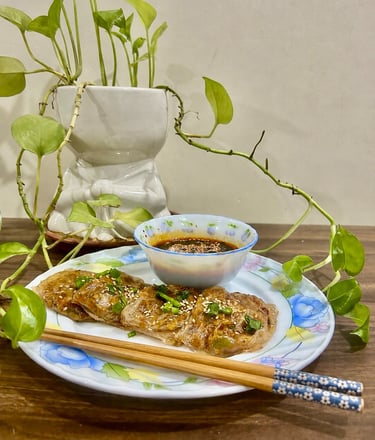
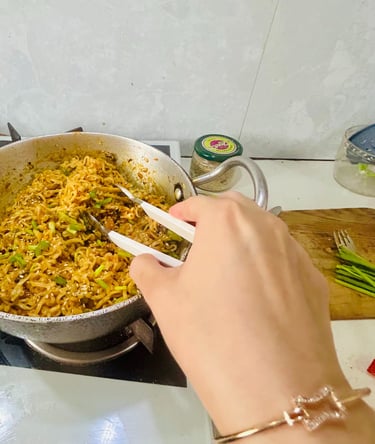
The growing interest in gluten-free foods has unlocked a plethora of nutritious options that not only cater to individuals with gluten sensitivities but also promote health-conscious eating. Among these options are various Asian staples such as rice paper dumplings and rice noodles, which stand out for their versatility and health benefits. These foods are naturally gluten-free, making them suitable alternatives for those seeking to eliminate gluten from their diets.
Rice paper dumplings, for instance, offer a light and healthy wrapper filled with an assortment of vegetables, proteins, or seafood, presenting a balanced meal that is easy to digest. Similarly, rice noodles serve as an excellent foundation for many dishes, rich in carbohydrates and low in fat, making them an ideal choice for energy without the heaviness often associated with wheat-based products. Additionally, these foods can be complemented by a variety of fresh vegetables and lean proteins, enhancing their nutritional profile.
Exploring gluten-free foods encourages individuals to diversify their diets. Naturally gluten-free grains such as quinoa, millet, and buckwheat not only provide essential nutrients but also introduce a range of flavors and textures to meals. Moreover, these grains are often high in fiber, which is crucial for digestive health. Incorporating them into one's diet can result in improved satiety and better glycemic control, making them advantageous for maintaining a healthy weight.
The rising trend toward gluten-free eating offers numerous benefits that go beyond mere avoidance of gluten. As more people consider gluten-free foods in their quest for a healthier lifestyle, they inadvertently discover a wider array of nutrient-dense options that can greatly enrich their overall dietary experience. By making informed choices and embracing the variety inherent in gluten-free offerings, individuals can enjoy balanced meals that are both satisfying and nourishing.
Cooking with Rice-Based Foods vs. Wheat-Based Foods
When exploring the culinary landscape, the choice between rice-based foods and wheat-based products presents distinct advantages concerning cooking processes, textures, and digestibility. Rice, a staple in various cultures, is typically unrefined and naturally gluten-free, making it a favorable option for individuals requiring gluten-free diets. In contrast, wheat-based foods, which contain gluten, offer different textures and cooking characteristics.
Cooking methods play a significant role in the overall quality and enjoyment of both rice and wheat dishes. For rice-based foods, steaming is a preferred method that allows for even hydration, resulting in a light and fluffy texture. In contrast, wheat-based foods like pasta often require boiling, which can lead to a pasta texture that is al dente or soft, depending on the variety and cooking time selected. The approach towards hydration differs as well; rice typically absorbs water as it cooks, thereby enhancing its flavor profile through the starches released, while wheat must be mixed with water to develop gluten structure, affecting both texture and taste.
The digestibility of rice contrasts with that of wheat-based products, particularly for individuals with gluten sensitivities or disorders such as celiac disease. Items such as rice noodles or rice flour facilitate easier digestion due to their simple carbohydrate structure and lack of gluten, which can cause discomfort for some consumers. To further enhance flavors when cooking with rice, it is advisable to experiment with broth, spices, and herbs that can be absorbed during the cooking process.
For novices venturing into rice preparation, a key piece of advice is to rinse the rice before cooking. This step removes excess starch and prevents the grains from clumping together, ultimately resulting in a more desirable texture. Moreover, investing in a good-quality rice cooker can facilitate consistent results, offering a set-it-and-forget-it solution for perfectly cooked rice every time.
The Gluten-Free Lifestyle in Modern Culture
In recent years, the acceptance and adoption of gluten-free diets have significantly transcended the boundaries of medical necessity, reflecting a notable cultural shift. Historically associated primarily with individuals diagnosed with celiac disease or gluten sensitivity, the gluten-free lifestyle has now gained traction among various groups, particularly fitness enthusiasts and those engaged in wellness communities. This emerging trend is influenced by a myriad of factors, including heightened awareness of dietary choices, celebrity endorsements, and shifting consumer preferences.
The influence of celebrities plays a pivotal role in popularizing gluten-free living. High-profile figures from the entertainment industry have publicly embraced gluten-free diets, often attributing their health and wellness achievements to this dietary choice. For instance, various celebrities have shared their personal journeys and the benefits they have experienced from reducing or eliminating gluten from their diets. This visibility has led many fans to view gluten-free options as a pathway to improved health and vitality.
Furthermore, the proliferation of social media platforms has facilitated the spread of gluten-free ideologies. Influencers and nutrition advocates frequently use these platforms to promote gluten-free recipes, products, and lifestyles. This digital visibility not only educates the public but also fosters a sense of community among individuals who identify with gluten-free living. Fitness enthusiasts, in particular, often align this dietary choice with their workout regimens, believing that a gluten-free diet helps enhance their performance and overall well-being.
Beyond influencers and celebrities, there is an increasing availability of gluten-free products in supermarkets and restaurants, ensuring easier access for individuals wishing to adopt this lifestyle. Many establishments now offer gluten-free alternatives, catering to the growing consumer demand. This diversification of options has significantly contributed to the normalization of gluten-free choices, making it an integral part of the diet for many, regardless of any gluten intolerance.
Hidden Health Risks of Gluten for Sensitive Individuals
Gluten, a protein found in wheat, barley, and rye, can pose significant health risks for individuals with gluten sensitivity or celiac disease. This condition affects a substantial number of people, leading to adverse reactions upon gluten ingestion. Even minuscule amounts of gluten can trigger a response in sensitive individuals, resulting in gastrointestinal discomfort, fatigue, joint pain, and even neurological symptoms. These reactions can severely impact one's quality of life while making daily activities challenging.
It is crucial for those who are gluten-sensitive to be vigilant regarding their food choices and preparations. Many packaged foods contain gluten, often hidden under various names, making it essential to thoroughly read product labels. Cross-contamination can occur during food handling, storage, or preparation, leading to unintentional gluten consumption. For instance, using the same cutting board for gluten-free and gluten-containing foods could introduce gluten traces into an otherwise safe meal, triggering symptoms for sensitive individuals.
Moreover, gluten sensitivity does not solely manifest through gastrointestinal symptoms; it can also affect mood and cognitive function, leading to increased anxiety, depression, and brain fog. These wide-ranging effects underscore the importance of proper diagnosis and management of gluten sensitivity. Individuals who suspect they have gluten intolerance should consult healthcare professionals for accurate testing and guidance on adhering to a gluten-free diet.
In summary, understanding the hidden health risks associated with gluten is fundamental for sensitive individuals. Careful food selection, awareness of cross-contamination, and diligent label reading are essential practices to minimize health issues provoked by gluten. By adopting these precautions, those affected by gluten sensitivities can significantly improve their health and achieve a better quality of life.
The Future of Gluten-Free Eating
The landscape of gluten-free eating is poised for significant evolution, driven by a burgeoning interest in health, dietary restrictions, and innovation within food science. As more individuals adopt gluten-free diets—whether due to celiac disease, gluten sensitivity, or lifestyle choices—there will be an increased demand for gluten-free foods across various sectors, from grocery retailers to restaurants.
Advancements in food science are likely to shape the future of gluten-free products significantly. Researchers are exploring ways to improve the texture and flavor of gluten-free alternatives, making them more appealing to a broader audience. The introduction of novel ingredients such as ancient grains, pulse flours, and customized starches could enhance the sensory experience of gluten-free foods. These developments can help dispel common misconceptions surrounding gluten-free diets and encourage more individuals to explore gluten-free options.
Simultaneously, food manufacturers are responding to the rising demand by expanding their gluten-free product lines. Major food brands are becoming increasingly aware that a diverse offering, including baked goods, snacks, and even gluten-free pasta, can meet consumer preferences while maintaining high quality and taste. With this shift, the availability of gluten-free options in mainstream markets is expected to increase, making these products more accessible for all consumers.
Moreover, the rise of gluten-free eating is influencing restaurant menus globally. Establishments are dedicating efforts to create inclusive dining experiences, sourcing gluten-free ingredients, and providing detailed allergen information. This trend not only caters to those with gluten-related disorders but also captures the attention of health-conscious individuals looking to diversify their diets.
In summary, the future of gluten-free eating looks promising as innovation and market demand converge. The advancements in food technology, paired with the commitment of food manufacturers and eateries to offer more gluten-free options, are likely to foster an inclusive and diverse culinary scene that prioritizes the needs and preferences of all diners.



Contacts
Socials
Subscribe to our newsletter
support@otgscience.in
Copyright © 2025 otgscience.in
.