
Coffee vs. Green Tea: Which is the Healthier Daily Beverage?


Power mode or calm mind—what's in your cup?
Daily Beverage Battle: Coffee vs. Green Tea
The ongoing debate surrounding coffee and green tea as daily beverages has garnered significant attention from health enthusiasts, nutritionists, and everyday consumers alike. Both are widely consumed around the globe, but their historical significance and cultural associations often prompt individuals to weigh their benefits against one another. Coffee, with its rich aroma and stimulating effects, has long been a staple in various societies. Its consumption dates back centuries, originating in the ancient coffee forests of Ethiopia before spreading to the Middle East and Europe, becoming deeply embedded in numerous cultural rituals, from morning routines to social gatherings.
Conversely, green tea has its roots in ancient China, where it was first consumed for its medicinal properties. Over the years, this beverage has not only become prominent in Asian cultures but also gained global appreciation, recognized for its calming effects and antioxidants. Both coffee and green tea are associated with increased energy levels, yet they also present unique profiles of health benefits that vary based on individual dietary needs and lifestyle choices.
The comparison stems not merely from taste but also from the broader implications of health and wellness that accompany each drink. Advocates of coffee often highlight its ability to enhance mental alertness and physical performance, fueled by its caffeine content. In contrast, green tea enthusiasts point to its multitude of health benefits, including potential weight loss assistance and improved heart health. This ongoing battle prompts many to question which beverage earns the title of the "healthier" choice, particularly as they both contribute to personal well-being in different dimensions. By exploring their respective advantages, we can better understand the suitability of either drink within the context of diverse lifestyles.
The Nutritional Breakdown
Coffee and green tea are popular beverages worldwide, each offering distinct nutritional profiles and health benefits. Understanding the composition of both drinks can help consumers make informed choices based on their health needs and preferences.
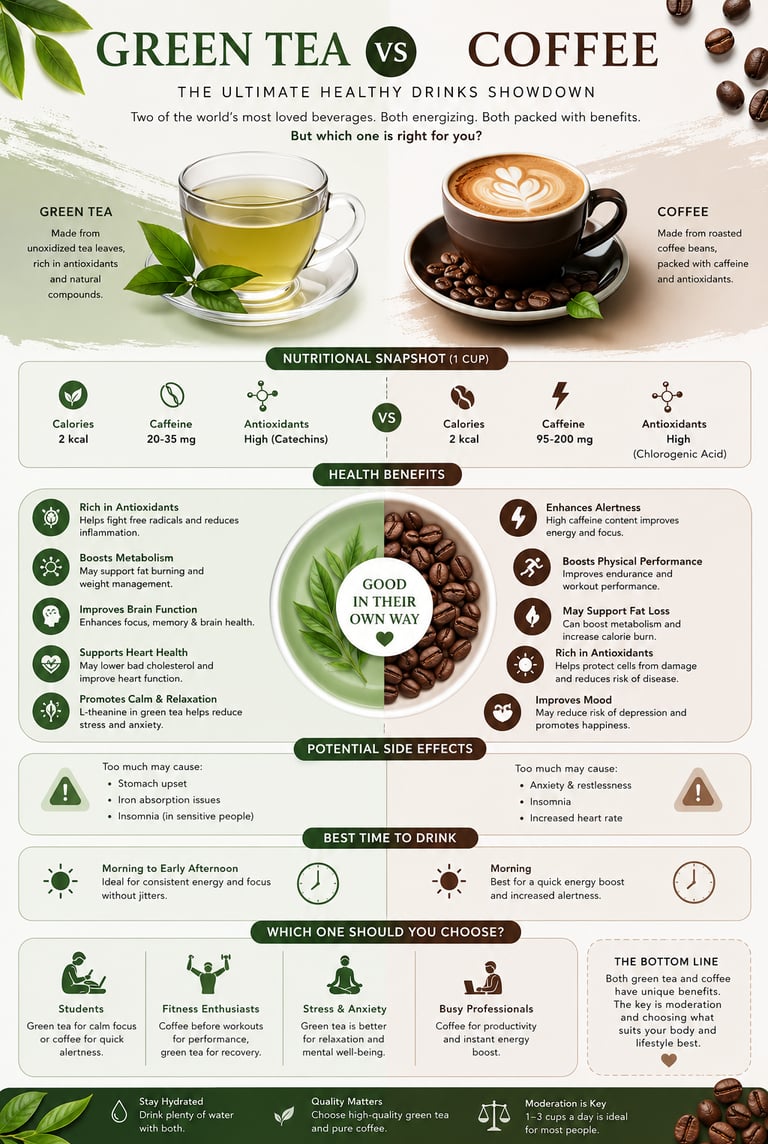
Coffee is rich in caffeine, containing approximately 95 mg per 8-ounce cup, which contributes to its reputation as a powerful stimulant. Moreover, coffee is also a source of essential nutrients, including B vitamins, potassium, and riboflavin. Coffee is known for its high antioxidant levels, particularly chlorogenic acid, which may contribute to various health benefits, such as improved metabolism and reduced risk of chronic diseases. However, excessive caffeine consumption can lead to negative effects, including increased anxiety and digestive issues.
In contrast, green tea contains about 30-50 mg of caffeine per 8-ounce serving, considerably less than coffee. This lower caffeine level, combined with the presence of the amino acid L-theanine, promotes a more balanced energy boost without the jitters associated with higher caffeine drinks. Green tea is also celebrated for its rich antioxidant content, particularly catechins like epigallocatechin gallate (EGCG), which have been studied for their potential in promoting heart health and assisting with weight management.
To provide a clearer comparison, consider the key nutritional aspects of coffee and green tea:
Caffeine: Coffee (95 mg) vs. Green Tea (30-50 mg)
Antioxidants: Coffee (chlorogenic acid) vs. Green Tea (catechins)
Vitamins and Minerals: Coffee (B vitamins, potassium) vs. Green Tea (lesser amounts)
It becomes evident that while coffee offers more caffeine and certain vitamins, green tea excels in antioxidant content, which is crucial for mitigating oxidative stress. Overall, the choice between coffee and green tea depends on individual health goals and preferences.
Effects on Body and Mind: Energy, Focus, and Weight Loss
Coffee and green tea are two popular beverages known for their potent effects on the body and mind, largely due to their caffeine content. Caffeine, a central nervous system stimulant found in both, can enhance energy levels and improve focus. A typical serving of coffee contains significantly more caffeine than green tea, often providing a more immediate boost in alertness. This rapid increase in energy can be beneficial for those requiring heightened concentration, particularly during morning or demanding hours.
Conversely, green tea offers a gentler approach to boosting energy and focus, attributed to the presence of L-theanine. This amino acid promotes a state of calm focus, which contrasts with the jitteriness sometimes associated with coffee. Consequently, individuals may find that green tea helps them maintain concentration without the potential spikes in anxiety or restlessness that can accompany higher doses of caffeine found in coffee.
In the realm of weight management, both beverages show promise, albeit in different ways. Research suggests that caffeine can enhance metabolic rate and fat oxidation, making coffee a favored choice for those seeking weight loss benefits. Green tea, particularly rich in catechins, is noted for its ability to boost metabolism as well. These antioxidants not only promote weight loss but also contribute to improved overall health by combating oxidative stress.
While both drinks offer significant health benefits, moderation is key. Excessive consumption of coffee may lead to sleep disturbances, increased heart rate, and heightened anxiety levels. Similarly, consuming large quantities of green tea can lead to reduced iron absorption and gastrointestinal issues. Thus, it is advisable to balance these beverages within a healthy lifestyle, ensuring that their positive effects on energy and focus are not overshadowed by potential side effects.
Expert Opinions and Who Should Choose What?
In the realm of nutrition, both coffee and green tea have garnered a considerable amount of attention. Various studies highlight the unique benefits of each beverage, leading to differing expert opinions on which may be more suitable for specific demographics. Nutritionists often recommend considering personal health goals and lifestyle choices when selecting between coffee and green tea.
For students and individuals engaged in demanding cognitive tasks, coffee often emerges as the preferred choice. Its higher caffeine content may enhance alertness and improve focus, making it a viable option for those needing quick boosts of energy. Conversely, green tea, with its moderate caffeine levels and unique compound L-theanine, may promote relaxation without sedation—an appropriate choice for students concerned about anxiety and study-induced stress.
Fitness enthusiasts may also benefit from understanding the differences between these beverages. Green tea is often celebrated for its potential fat-burning properties during workouts, thanks to the catechins it contains. On the other hand, coffee can enhance athletic performance due to its ability to increase endurance and reduce perceived exertion, making it a popular pre-workout option.
For office workers, a more cautious approach may be advised. Those sensitive to caffeine might prefer green tea, which provides a gentler energy lift without significant spikes and crashes. Additionally, green tea's antioxidants can support overall health, a crucial consideration for individuals with sedentary jobs.
It is important to debunk popular myths surrounding both beverages. Some may believe coffee dehydrates the body, when in fact, moderate coffee consumption can contribute to daily hydration. Meanwhile, green tea is not a miracle weight-loss solution, and healthy lifestyle choices should accompany its intake for effective results.
Ultimately, the best beverage depends on individual preferences and health considerations. Consulting with a healthcare provider or nutritionist can provide tailored guidance, helping individuals make informed choices aligned with their unique needs.


Contacts
Socials
Subscribe to our newsletter
support@otgscience.in
Copyright © 2025 otgscience.in
.