
Toxic Masala: Why Calcium Carbide Has No Place in Your Fruit Basket


Masala Gone Wrong: How Calcium Carbide Is Spoiling Nature’s Sweetness
In recent weeks, law enforcement authorities have intensified their efforts to combat illegal fruit ripening practices across the country. This crackdown, primarily conducted by police forces, targeted wholesale fruit traders suspected of utilizing unlawful methods to hasten the ripening of fruits like mangoes, bananas, and papayas. On April 4 and 5, a series of coordinated raids were carried out, resulting in several arrests and the confiscation of significant quantities of illegal ripening agents.
Among the substances commonly employed by these traders is "diamond ripe ethylene," which has garnered particular attention for its hazardous implications on public health. This ripening agent, associated with mangoes sourced from Andhra Pradesh, raises serious concerns regarding its safety for consumption. Ethylene, in its pure form, can promote rapid ripening yet poses a risk if utilized without regulatory oversight, compromising the quality and safety of the fruits.
The implications of such illegal practices extend beyond mere compliance with trade regulations. The use of unapproved ripening agents compromises food safety, potentially introducing harmful chemical residues into the food supply. These actions not only threaten consumer health but also undermine the trust that the public places in agricultural products. The recent enforcement actions signify a proactive approach by authorities to ensure that food safety standards are upheld, reflecting a broader movement towards transparency and accountability in the food industry.
As awareness grows about the detrimental effects of illegal ripening methods on public health, the initiative taken by law enforcement serves as a crucial step towards safeguarding consumers. The ongoing scrutiny of wholesale fruit trading will likely lead to further investigations and regulatory measures aimed at curbing these practices, thereby promoting safer consumption of tropical fruits like mangoes, bananas, and papayas.
Understanding Toxic Ripening Agents: The Case of Calcium Carbide
Calcium carbide is a chemical compound commonly used as a ripening agent for fruits, particularly in developing countries. The substance accelerates the ripening process by releasing acetylene gas when it comes into contact with moisture. Despite its efficacy in hastening the ripening of mangoes, bananas, and papayas, calcium carbide has raised significant health concerns due to its toxic nature.
The primary issue with calcium carbide lies in its potential to cause health risks upon consumption of fruits treated with it. This chemical contains impurities that can include arsenic and phosphorus, both of which are harmful to human health. Studies have suggested that long-term exposure to these toxins may lead to serious health problems, including an increased risk of cancer, skin diseases, gastrointestinal issues, and neurological impairment. Consequently, the consumption of fruits ripened with calcium carbide can pose significant health threats, making it a contentious issue for public health authorities.
In light of these dangers, many countries have implemented strict legal regulations regarding the use of calcium carbide in fruit ripening. For instance, the Food Safety and Standards Authority of India (FSSAI) has prohibited the use of calcium carbide for ripening fruits. Various regulations emphasize the need for safe and natural methods of ripening that do not compromise consumer health. Enforcement of these laws is crucial to protect consumers from unsafe agricultural practices and to ensure that fruits available in the market are both safe for consumption and nutritious.
The Use of Ethephon Solution and Other Chemicals
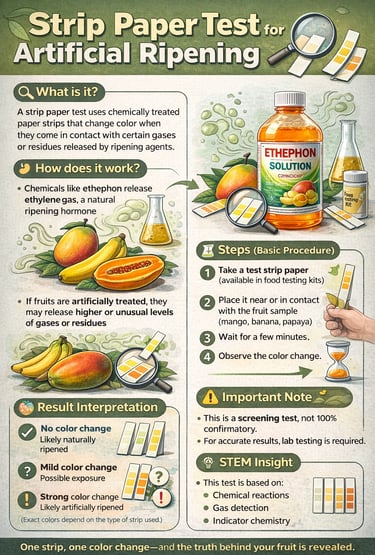
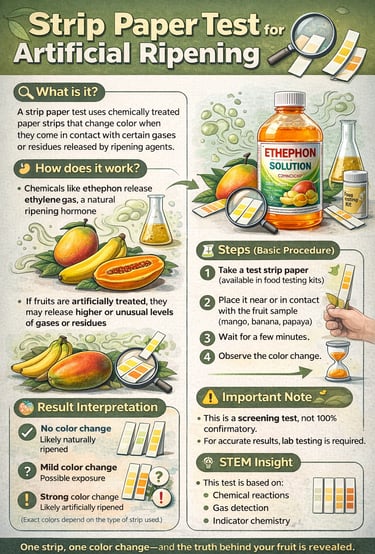
The use of ethephon, a plant growth regulator, in the ripening of fruits has raised significant concerns among health experts, consumers, and regulatory bodies. Ethephon is a synthetic compound that releases ethylene gas when treated with moisture, thereby accelerating the ripening process of fruits such as mangoes, bananas, and papayas. Unlike calcium carbide, which is commonly used in many regions and is associated with harmful health effects, ethephon is generally regarded as a safer alternative. However, its use is not entirely devoid of controversy.
Health professionals emphasize that while ethylene itself is naturally occurring and considered safe at low levels, the application of ethephon must be carefully monitored to avoid residues that could pose health risks. The Food Safety and Standards Authority of India (FSSAI) has stringent regulations governing the permissible limits of chemical residues on consumable fruits. However, enforcement of these regulations has become a matter of concern, especially in light of the popularity of these fruits and the demand for timely ripening.
Ethical considerations also play a pivotal role in the discourse surrounding the use of ripening chemicals. The fruit trade is often pressured to meet consumer demands for visually appealing, perfectly ripened fruits, leading some vendors to opt for chemical treatments rather than natural ripening processes. This practice not only raises questions about the integrity of the food supply but also the potential long-term implications for consumer health and environmental sustainability. Regulatory bodies are urged to assess these practices, ensuring that the fruits sold to the public meet safety standards while also preserving public trust in food products.
Legal Actions and How Consumers Can Protect Themselves
The Food Safety and Standards Authority of India (FSSAI) has undertaken stringent measures to combat the use of illegal ripening agents, which pose significant health risks to consumers. Traders found guilty of using prohibited chemicals for ripening fruits like mangoes, bananas, and papayas face grave legal repercussions. These may include hefty fines and even imprisonment, emphasizing the seriousness of adhering to food safety laws. The FSSAI's initiative intends to safeguard public health by promoting the consumption of uncontaminated and naturally ripened fruits.
To assist consumers in detecting harmful chemicals in fruits, the FSSAI introduced the 'strip paper test.' This method involves the use of special test strips that can identify the presence of artificial ripening agents. By applying a strip to the skin of fruits, consumers can ascertain whether illegal chemicals are present. If the strip changes color, it indicates the use of unsafe substances, thus informing consumers about the quality of their purchases.
When shopping for mangoes, bananas, and papayas, consumers can follow several practical tips to ensure they buy safe products. Firstly, selecting fruits that are naturally ripened usually involves examining their color and texture; ripe fruits should have even coloring and a slight give when gently squeezed. Additionally, purchasing from reputable vendors known for their quality produce can minimize the risk of contamination. Observing the seasonality of fruits is another valuable strategy, as out-of-season fruits may have been forced to ripen with harmful chemicals. Engaging with local farmers at markets can also provide assurance regarding the freshness and natural ripening of the purchased fruits.
Contacts
Socials
Subscribe to our newsletter
support@otgscience.in
Copyright © 2025 otgscience.in
.