
Rajasthan's Thali: A Masterclass in Food Science
Ghoomar Meets Gastronomy : The Science of Rajasthan’s Heritage
Rajasthan's Rich Culture and Heritage Food
Rajasthan, known for its vibrant culture and rich heritage, offers a unique tapestry of traditions that is reflected in its cuisine. The food of Rajasthan is not merely a means of sustenance but a crucial element of the region's identity, encapsulating its history, geography, and the spirit of its people. The culinary practices here are deeply influenced by the region's arid climate, which necessitates the use of ingredients that are both nutritious and long-lasting.
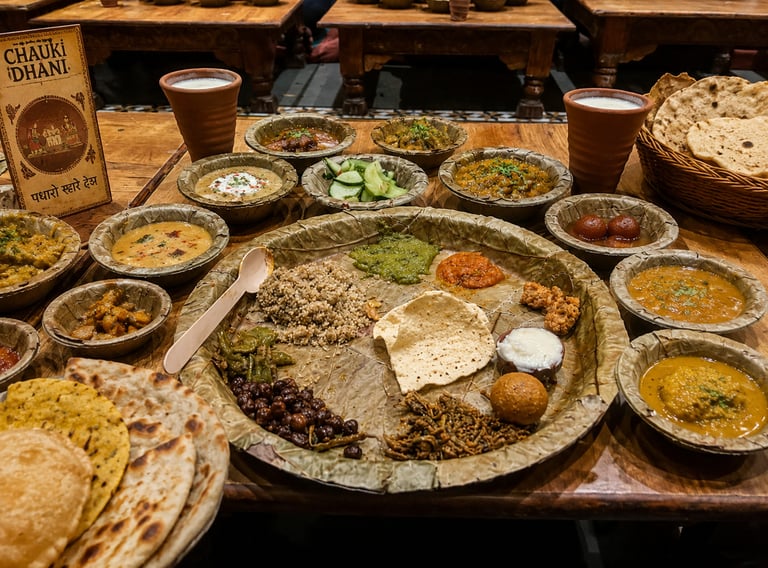
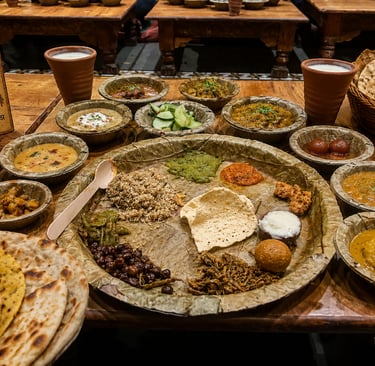
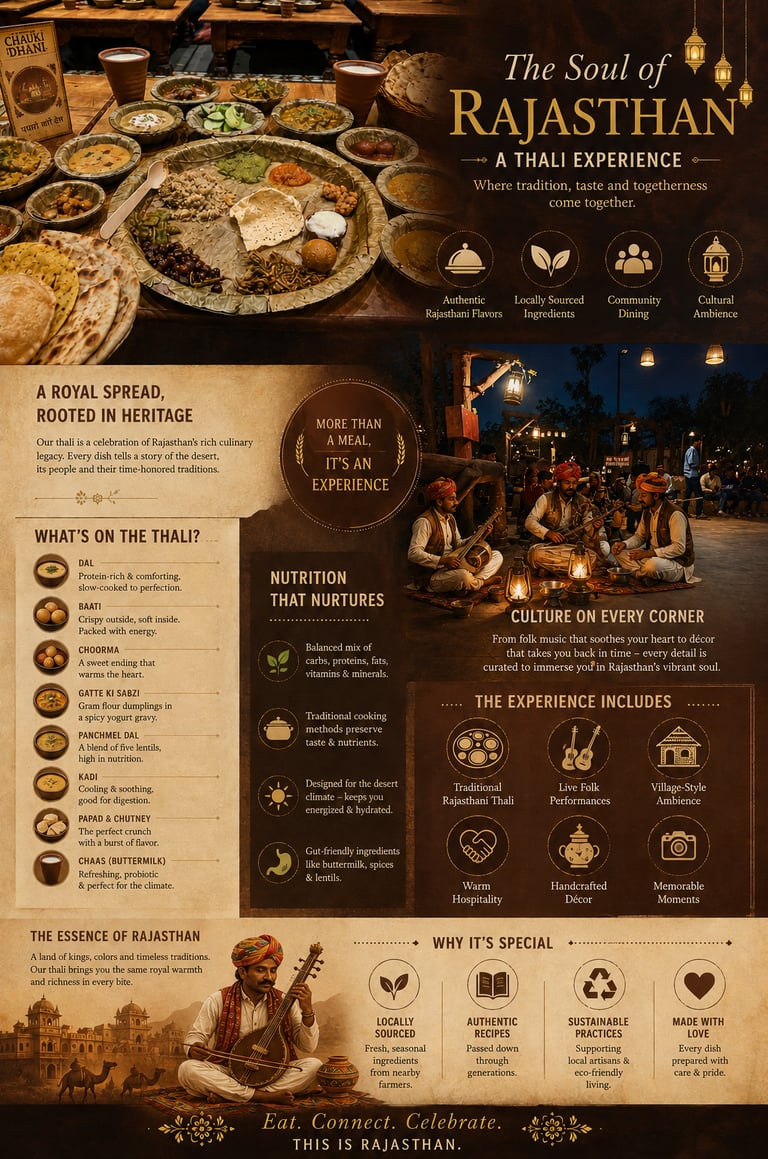
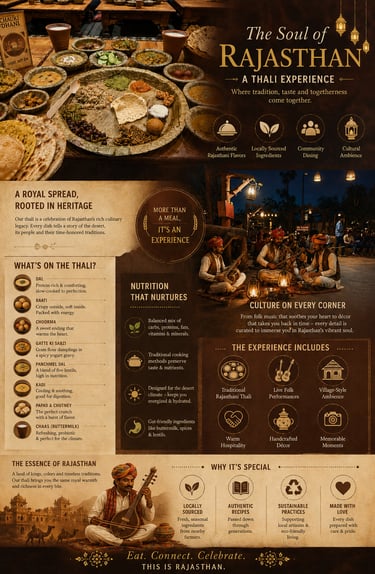
One prominent aspect of Rajasthani cuisine is the thali, a traditional platter that epitomizes the diversity and richness of the region's food. Each thali is an assortment of various dishes, reflecting the culinary skills passed down through generations. It showcases a balance of flavors, textures, and colors, ensuring an indulgent and wholesome dining experience. The thali typically includes staple items such as dal, baati, churma, and an array of curries, each prepared with a distinct blend of spices that are characteristic of Rajasthani cooking.
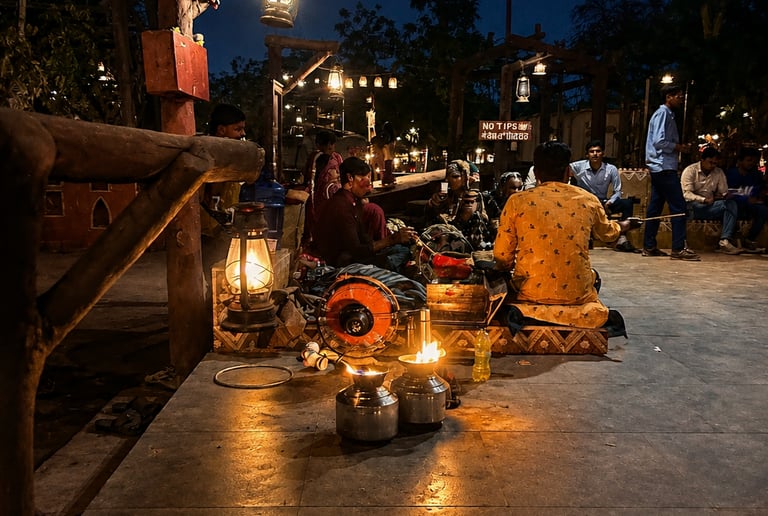
A visit to Chokhi Dhani, a famous cultural village situated near Jaipur, further emphasizes the significance of food in Rajasthani heritage. This vibrant village is a symbol of traditional Rajasthani hospitality, where visitors are welcomed with authentic flavors and an immersive experience of Rajasthan's cultural wealth. Here, guests can savor a traditional thali prepared with great care, showcasing the use of local ingredients and age-old recipes. The ambiance of Chokhi Dhani enhances the experience, providing a glimpse into the warm and inviting spirit of Rajasthan's communities.
As we delve deeper into the intricacies of a Rajasthani thali, it becomes evident that each dish tells a story, rooted in local history and reflective of the richness of cultural traditions. This exploration not only highlights the diversity of Rajasthani food, but also its significance as an integral part of daily life and celebrations within this enchanting region.
The Science Behind Traditional Indian Meals
Traditional Indian meals, especially the Rajasthani thali, exhibit a profound understanding of various scientific principles tailored to the specific environments and needs of the local populace. These meals have been meticulously crafted, taking into consideration the unique climatic conditions of Rajasthan, known for its arid terrain and high temperatures. Such climatic factors influence the choice of ingredients that support hydration and nutrition in a hot environment.
In a Rajasthani thali, one can find an array of grains, legumes, vegetables, and dairy products, each serving a distinct purpose. The use of lentils, such as moong dal and chana dal, not only provides essential proteins but also aids in digestion, a critical aspect in a region where heat can demand lighter and easily digestible food options. Furthermore, the inclusion of protein-rich foods has been vital for energy sustenance, especially in agrarian communities with rigorous physical demands.
Moreover, Rajasthan experiences substantial variations in temperature between day and night. Consequently, the traditional meal is often designed to balance the body's internal temperature, with spices like cumin, coriander, and turmeric not only enhancing flavor but also possessing warming properties that improve metabolism. The careful pairing of ingredients ensures their compatibility for efficient digestion, while the vibrant spices offer antioxidant benefits as well.
Preservation techniques also play a crucial role in the formulation of the Rajasthani thali. The use of pickles and dried foods, common in traditional meals, serves to prolong shelf life, making these foods resilient to the region's climatic extremes. This unique approach to meal preparation not only meets nutritional needs but also reflects an amalgamation of science, culture, and heritage, culminating in a harmonious dining experience.
Food Evolution in Rajasthan's Desert Environment
Rajasthan, known for its arid deserts and extreme temperatures, presents unique challenges that have profoundly shaped its culinary landscape. The harsh conditions, characterized by sweltering heat during the day and cooler nights, play a significant role in food preservation and preparation methods. As a result, Rajasthani cuisine showcases remarkable innovation, enabling residents to thrive while making the most of their limited resources.
Water scarcity is a distinctive feature of Rajasthan. Rivers are few and far between, which has necessitated the adaptation of traditional cooking practices. To tackle this challenge, the people of Rajasthan have cultivated drought-resistant crops, relying on grains such as millet, barley, and wheat. These grains not only thrive in arid conditions but also offer a robust nutritional profile, essential for maintaining energy levels in the sweltering heat.
Moreover, the ingenuity of Rajasthan’s culinary art is evident in the use of spices and other preservation techniques. The region's spices, such as cumin, coriander, and turmeric, play a critical role in flavoring dishes while also contributing to their longevity. Spice blends and pickles, known as `achar`, have become staples within Rajasthani households, ensuring food remains safe to consume over extended periods without refrigeration. Consequently, the use of ghee and other fats in cooking enhances the shelf life of dishes, making it easier for families to store food during dry spells.
Over the years, Rajasthani cuisine has also evolved to emphasis dishes made with legumes and pulses, which provide vital protein sources amidst the scarcity of fresh vegetables. The importance of understanding and adapting to the local environment has led to a culinary richness that is both inventive and resilient. As a result, the cuisine of Rajasthan stands as a testament to the remarkable adaptability of its people, rooted in their cultural heritage while embracing the challenges posed by nature.
Purpose Beyond Taste: The Meaning of Each Dish in a Rajasthani Thali
A Rajasthani thali is not merely a feast for the senses; it is a carefully curated collection of dishes that serves various nutritional and health purposes. Each component plays a crucial role in creating a balanced meal, enhancing both flavor and wellness for the diner. The thali typically consists of lentils, vegetables, grains, and dairy products, each selected for its unique contribution to health and nutrition.
As a primary source of protein, dal (lentils) is a cornerstone of the thali, offering essential amino acids necessary for bodily function. Meanwhile, a variety of vegetables provide a rich source of vitamins and minerals, promoting overall health. For example, ghee, which is often used in Rajasthani cooking, is not only a traditional fat but also assists in absorption of fat-soluble vitamins, thereby amplifying the nutritional value of the meal.
The use of spices in a Rajasthani thali serves multiple purposes beyond just flavoring the dishes. Turmeric, commonly found in many Rajasthani recipes, possesses anti-inflammatory properties, while cumin aids in digestion and metabolism. Similarly, the inclusion of seasonal ingredients ensures that the thali remains aligned with local agricultural practices, optimizing the benefits of fresh produce.
In essence, each element of a Rajasthani thali reflects a deep-seated understanding of the relationship between food and well-being. This culinary arrangement promotes not just a delightful eating experience, but also strengthens the body and mind through thoughtful nutritional balance. Overall, the thali exemplifies how meals can be both indulgent and health-conscious, underlining the cultural significance of food in Rajasthan and its capacity to nourish individuals holistically.
Nutritional Balance in a Rajasthani Thali
A typical Rajasthani thali showcases a vibrant and diverse assortment of dishes, reflecting the culinary richness of the region. Each component is carefully curated, contributing to its overall nutritional balance. Central to this balance are the macronutrients: carbohydrates, proteins, and fats, along with essential vitamins and minerals essential for maintaining health.
Carbohydrates play a significant role in the Rajasthani thali, mainly derived from staples such as chapattis, puris, and rice. These provide a source of energy, which is crucial for daily activities. Coupled with these carbohydrates are proteins, which can be sourced from lentils, beans, and dairy products such as paneer. These protein-rich foods are vital for muscle maintenance and overall bodily repair.
Fats are also a part of this nourishment equation, usually constituting oil or ghee used in cooking various dishes. While fats often cater to flavor, they also provide essential fatty acids and assist in the absorption of fat-soluble vitamins like A, D, E, and K. Consequently, the inclusion of both healthy fats and protein in conjunction with high-fiber carbohydrates helps foster a balanced diet.
Furthermore, the Rajasthani thali is often accompanied by a variety of vegetables and salads, making it rich in vitamins and minerals. Vegetables contribute antioxidants, vitamins A and C, folic acid, and dietary fiber, enhancing digestive health. The assortment also helps to control the body’s inflammatory response and supports the immune system.
Overall, a Rajasthani thali encompasses a meticulous combination of nutrients that not only satiates hunger but also promotes overall wellness. The synergy among the various food items maximizes health benefits, ensuring that the dietary needs of individuals are well met. Such nutritional diversity exemplifies the culinary heritage of Rajasthan while adhering to the principles of balanced eating.
The Importance of Ghee and Traditional Fermentation Techniques
In addition to ghee, traditional fermentation practices are integral to Rajasthani cuisine. Fermentation is a natural process involving the breakdown of foods by microorganisms, which not only preserves but also enhances the nutritional value of the food. In the preparation of various dishes, fermentation introduces probiotics, which are beneficial bacteria that support gut health. These microorganisms can improve digestion, boost the immune system, and contribute to improved mental health by promoting a balanced gut microbiome.
The presence of fermented items, such as dahi (yogurt) and bhaja (fermented spice mixes), in a thali underscores the cultural emphasis on the importance of digestion in Rajasthani cuisine. The combination of ghee and fermented foods offers a symbiotic relationship where ghee aids in the absorption of fat-soluble vitamins, while probiotics from fermented items help break down the food in the digestive tract. This makes the thali not just a feast for the senses, but also a scientifically beneficial meal that nurtures overall health.
Understanding Spice Chemistry and Water Conservation Through Food
The cuisine of Rajasthan is distinguished by its vibrant flavors, many of which derive from a rich array of spices. The chemistry of these spices is not merely for flavor enhancement; it is deeply intertwined with health benefits that contribute to the overall well-being of individuals. For instance, turmeric, a staple in many Rajasthani dishes, contains curcumin, which possesses anti-inflammatory and antioxidant properties. Similarly, cumin, commonly utilized in various curries, aids digestion and provides essential minerals such as iron, crucial for maintaining energy levels.
Beyond their health implications, spices play a significant role in the culinary traditions of Rajasthan that align with the region’s water conservation efforts. Many traditional recipes incorporate ingredients that are naturally adapted to arid climates, which emphasizes both sustainability and resourcefulness. For example, the use of dried lentils and legumes not only provides protein but also requires less water for cultivation. Incorporating spices like coriander and fenugreek, which are resilient and require minimal irrigation, reflects the pragmatism embedded in Rajasthani cooking methods.
Moreover, the combination of specific spices can enhance flavors while simultaneously reducing the need for excessive cooking oil or salt, thereby promoting a healthier diet that is also mindful of the environment. In this way, Rajasthani cuisine serves not only as an emblem of cultural identity but also as a model for sustainable eating practices that appreciate local ecosystems.
This intricate relationship between spice chemistry and water conservation illustrates how, through food, we can recognize and adopt sustainable practices that nourish both the body and the environment. Such insights highlight the potential for culinary traditions to influence broader discussions on sustainability and health in a rapidly changing world.
Millet Science and Ayurvedic Elements in Rajasthani Cuisine
Millets, particularly bajra (pearl millet), hold a prominent place in Rajasthani cuisine, celebrated not only for their flavors but also their significant nutritional benefits. As a staple food in the arid regions of Rajasthan, bajra is well-adapted to the local climate and contributes to food security by providing a reliable source of carbohydrates, proteins, vitamins, and minerals. This resilience underlines the importance of bajra in combating malnutrition and ensuring dietary diversity.
Nutritionally, millets are rich in dietary fiber, which aids digestion and helps in maintaining a healthy weight. They are also gluten-free, making them an excellent alternative for individuals with gluten intolerance or celiac disease. The consumption of bajra in Rajasthani thalis reflects a shift toward embracing nutrient-dense foods that align with modern dietary needs while still honoring traditional practices. The incorporation of other local ingredients, like legumes and vegetables, enhances the overall health benefits of a thali, providing a wide range of nutrients essential for a balanced diet.
This thoughtful connection between millet science and Ayurvedic elements reveals the intricate design of Rajasthani cuisine, where food serves a dual purpose: nourishing the body while also enriching the mind in accordance with centuries-old wisdom.
Food Preservation Techniques and the Role of Sweets
Pickling, on the other hand, involves immersing vegetables in a mixture of salt, spices, and sometimes oil, thus allowing them to develop unique flavors and textures while extending their shelf life. This method is not only practical but is also imbued with cultural significance as traditional recipes are often passed down through generations, reflecting the heritage and identity of the community. Fermentation, utilized for creating dishes like badi (dried lentil dumplings), maximizes nutritional value and adds probiotic benefits, which enhance gut health.
Sweets also hold a prominent place in the thali, contributing both culinary delight and cultural symbolism. Common items such as ghewar, ladoo, and jalebi are not only celebrated for their taste but also represent social and religious occasions. Nutritionally, although sweets are often viewed as indulgent, many traditional Rajasthani desserts incorporate ingredients like nuts, grains, and dairy, providing essential nutrients. Furthermore, these sweet dishes often serve as a counterbalance to the spicier items in the thali, creating a holistic dining experience. Therefore, sweet offerings are not merely delights but are integral to the sustainability and cultural richness of Rajasthani cuisine.
Concluding Thoughts on the Rajasthani Thali
The Rajasthani thali represents more than just a meal; it encapsulates a holistic approach to nourishment that interweaves sustainability, nutrition, climate adaptation, and digestive science. Each component of this diverse platter illustrates a thoughtful interplay between local agricultural practices and dietary needs, showcasing the rich culinary heritage of Rajasthan. The careful selection of ingredients not only highlights the flavors characteristic of this region but also underscores the importance of seasonal and locally sourced foods in enhancing both health and sustainability.
The nutritional profile of a Rajasthani thali is remarkable, offering a balance of carbohydrates, proteins, fats, vitamins, and minerals. Traditionally, the use of legumes, vegetables, and dairy products not only helps in meeting dietary requirements but also reflects mindful eating practices. These elements are not merely about nourishment; they are integral to maintaining harmony between the body and the environment. By emphasizing plant-based foods and minimizing processed items, the thali aligns itself with contemporary sustainability goals.
Furthermore, the connection between the thali and climate adaptation becomes increasingly relevant in today's context. As the region grapples with climate variability, the traditional knowledge embedded in choosing specific ingredients that thrive in arid conditions emerges as a vital strategy for resilience. This allows communities to adapt sustainably to changing environmental circumstances while preserving their cultural identity.
Lastly, the digestive science inherent in the combination of spices and cooking methods used in Rajasthani cuisine plays a pivotal role in enhancing gut health. The careful consideration of how flavors interact not only pleases the palate but also supports a robust digestive system, reflecting the thoughtful integration of culinary practices with well-being. As we explore the layers of a Rajasthani thali, it becomes clear that this meal is not merely about sustenance but serves as a profound representation of cultural richness, sustainability, and health optimization.

Contacts
Socials
Subscribe to our newsletter
support@otgscience.in
Copyright © 2025 otgscience.in
.