
Delhi on Boil: Understanding the Severe Heatwave
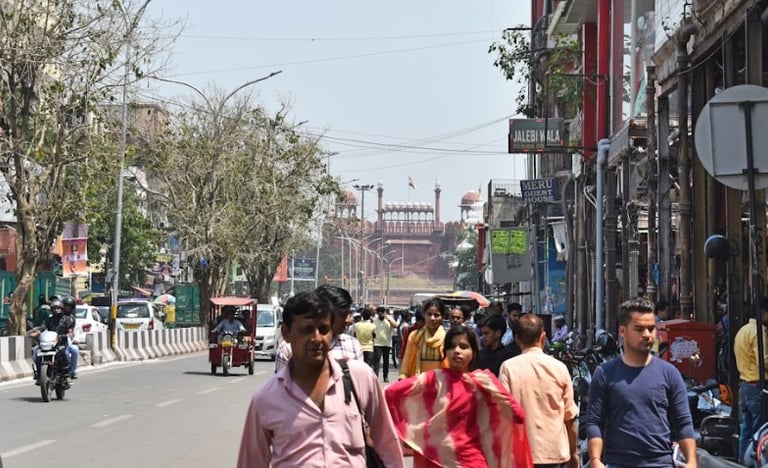
When the Capital Can’t Cool Down: Delhi’s Heat Crisis
Every summer, Delhi experiences soaring temperatures that can turn the city into a literal furnace. The recent heatwave has prompted concern not only for the well-being of its residents but also for infrastructure and resource management. Understanding the science behind this phenomenon is essential for addressing its impacts effectively.
The Science Behind the Heatwave
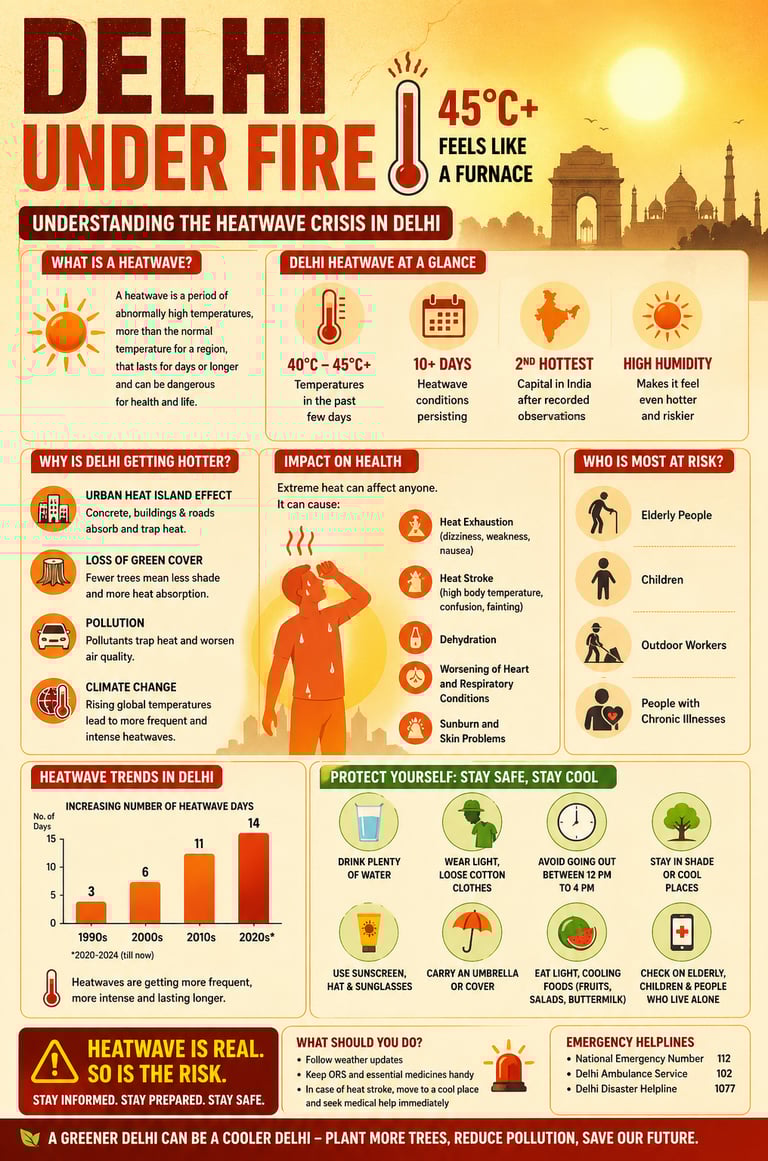
Delhi's geographical location contributes significantly to its heatwave conditions. As urbanization continues to expand, the city faces an increase in heat-retaining structures and surfaces, exacerbating the so-called urban heat island effect. This phenomenon results in metropolitan areas becoming significantly warmer than their rural surroundings, predominantly due to human activities and topographical challenges. The meteorological conditions, including low wind speeds and high-pressure systems, often lead to stagnant air that further amplifies temperatures, making Delhi feel like an oven, particularly in the dry summer months.
Extreme heat triggers surge in illnesses, overwhelming OPDs in Delhi-NCR.
In recent weeks, healthcare professionals have observed a concerning trend: a steady rise in cases associated with dehydration and various heat-related illnesses such as heat exhaustion, heat cramps, and heatstroke.As summer approaches, it becomes increasingly vital for individuals to stay informed about the risks associated with heat and the steps they can take to protect their health. Staying hydrated, seeking shade, and avoiding strenuous outdoor activities during peak heat hours can play pivotal roles in prevention.
Government Responses and Mitigation Guidelines
In light of the extreme temperatures, Chief Minister Rekha Gupta has issued guidelines aimed at safeguarding public health. Schools are encouraged to revise their timetables, allowing students to beat the heat, while workers are mandated to receive breaks lasting three hours in the most sweltering conditions. The government is also focusing on implementing a ‘cool roof policy’ by 2026, aimed at mitigating heat absorption in urban areas. Additionally, provisions for drinking water and caps for workers indicate a proactive approach to ensure safety during this grueling heatwave.
The Broader Implications of the Heatwave
The ongoing heatwave has inadvertently influenced various sectors, pushing the power demand to a staggering all-time high of 256 gigawatts, raising concerns over the grid's capacity to cope with such demand surges. Residents are reminded to use electricity judiciously, as the repercussions of a heatwave extend beyond mere discomfort. The impact on schools and workdays underscores a pressing need for collective efforts to maintain health and safety during harsh weather conditions.
Adapting to Climate Challenges
As Delhi continues to grapple with extreme weather, it is imperative that both the government and citizens understand the factors contributing to these heatwaves. Adaptation strategies, including revising guidelines and implementing sustainable infrastructure changes, are essential to ensure the city remains resilient in the face of climate change. By making concerted efforts now, we can mitigate future challenges and safeguard our communities.
Contacts
Socials
Subscribe to our newsletter
support@otgscience.in
Copyright © 2024 otgscience.in
.